





Manual, Top-Load, or Front-Load? The Complete Washing Machine Buying Guide for Nigerian Homes (2026)

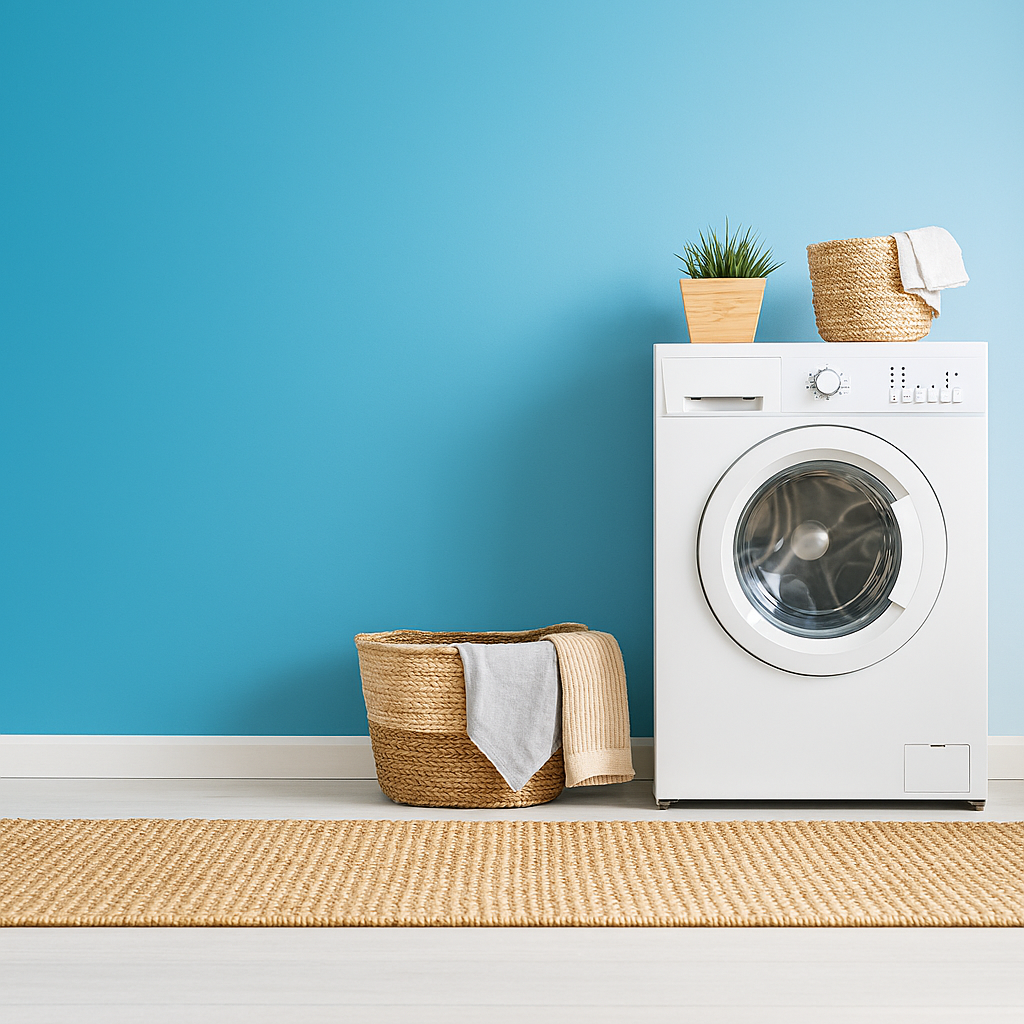
By DISPASAL | Your Trusted Home Appliance Partner — Suleja, Niger State
The Question Behind the Purchase
Every week, someone walks into DISPASAL and asks a version of the same question: which washing machine should I buy?
It sounds simple. But behind that question are layers of real-life considerations that most appliance guides completely ignore — how often NEPA brings light in your area, whether your building has direct water pressure or you depend on an overhead tank, how large your household is, how much your budget can stretch, whether your generator can carry the load, and how much involvement you are willing to have in the washing process itself.
A washing machine that works perfectly in a Lagos estate apartment with 24-hour power and direct water pressure can be a daily frustration in a Suleja home with irregular power and no plumbing connection. The right machine depends entirely on your situation — not on which type looks most modern or which a friend recommends.
This guide explains every washing machine type available in Nigeria today, in full and honest detail. By the time you finish reading, you will know exactly which type fits your home, which features genuinely matter, which brands to trust, what mistakes to avoid, and how to get the most from whichever machine you choose.
Part 1: Understanding the Three Main Types
There are three types of washing machines in the Nigerian market. They are not variations of the same thing — they are fundamentally different appliances that suit fundamentally different households.
Type 1: The Semi-Automatic Washing Machine (Twin Tub)
The semi-automatic, also called a twin tub or manual washing machine, is the most widely used washing machine type in Nigeria — and for very good reason. It consists of two separate side-by-side tubs: one large tub for washing, and one smaller tub for spinning. The machine does the agitation and spinning — but you control the water.
How it works: You fill the wash tub with water manually — either through a hose connected to a tap, or by pouring water in with a bucket. You add your detergent and clothes. The machine agitates for the time you set. You then drain the soapy water, add clean water for rinsing, agitate again, drain, and finally transfer the clothes by hand to the spin tub for spinning. The spin tub extracts water from the clothes rapidly, leaving them damp rather than soaking wet and ready to hang.
The key word throughout that process is you. The semi-automatic gives you control, but it requires your presence and involvement. You cannot set it and walk away.
Why it works so well for Nigerian conditions:
The user can manually control the flow of water into the machine. This semi-automatic appliance allows you the option to control how much water you want to add, helping you regulate usage and prevent waste. In areas where water is fetched from a borehole, collected in overhead tanks, or simply scarce, this control is not just convenient — it is essential. Twin tubs do NOT require water pressure, which means they work perfectly regardless of your plumbing situation.
A typical wash cycle consumes about 0.2–0.5 kWh — even a small generator can run them. This is the semi-automatic’s defining advantage in Nigeria. It runs on very little electricity, making it compatible with small generators and home inverter systems that would struggle with a fully automatic machine.
Semi-automatic machines are especially suitable for homes with unstable electricity or low water pressure.
Spare parts for twin tub machines are widely available at affordable prices across Nigeria, and local technicians can service them with ease. Repairs are cheap and accessible — a significant consideration when choosing a long-term appliance.
Uses 25–40 litres per wash, varying by load size — great for borehole, well water or tank systems.
The honest limitations: The semi-automatic requires your time and attention throughout the process. You must be present, move clothes between tubs, manage draining, and supervise each stage. If you have a demanding schedule or a very large household producing heavy laundry loads daily, the manual involvement can become genuinely tiring. The washing action is also less gentle than a front-load machine’s tumbling motion, which can affect delicate fabrics over time.
Who the semi-automatic is best for:
- Households with irregular or no direct water supply
- Anyone using a small generator as primary or backup power
- Budget-conscious buyers prioritising low cost and easy maintenance
- Rural areas and suburbs where repair technicians and parts must be local
- Anyone who prefers full control over the washing process
Type 2: The Fully Automatic Top-Load Washing Machine
A fully automatic top-load washing machine combines washing, rinsing, and spinning in a single drum. You load clothes from the top, select a program, and the machine handles the entire process — filling water, washing, rinsing, and spinning — automatically. You walk away and return to clothes ready to hang.
Inside the drum, a central agitator (a tall spindle in the middle) or an impeller (a flat disc at the bottom) moves clothes through the water. Agitator models provide strong cleaning action but can be hard on delicate fabrics. Impeller models are gentler and use slightly less water.
How it works in Nigerian conditions:
The top-load automatic needs a reliable water supply because it fills automatically. Top loaders need good water pressure in most models, though some can draw from overhead tanks if the water head is sufficient. If your building has consistent piped water or a well-pressurised overhead tank, a top-load automatic works excellently.
Top-load machines use 60–90 litres per wash and need consistent water pressure. This higher water requirement is the trade-off for the convenience of full automation.
Top loaders typically have larger capacities, shorter cycles, and are easier to load — you don’t have to bend over to do it. The upright loading position is more comfortable and ergonomically natural for most users.
Top-load automatics are also more tolerant of power fluctuations than front-load machines because their control systems are generally simpler. Simpler top-load machines have fewer electronic components, use basic controls, are less sensitive to power fluctuations, and repairs are cheaper and easier to manage. That matters in Nigeria, where homes often switch between PHCN power and generators.
Modern inverter top-load models from LG and Samsung add significant energy efficiency to the convenience of automation. Inverter motors adjust power usage based on the laundry load instead of operating at full power constantly, helping reduce electricity consumption and noise levels. This also improves durability because the motor experiences less strain over time.
The honest limitations: Top-load agitator models can be harsh on delicate clothing — the central spindle rubs against fabric repeatedly during washing, which causes wear over time. They also use more water per cycle than front-load machines. The agitator takes up central drum space, which reduces the effective washing capacity for bulky items like duvets or large curtains.
Who the top-load automatic is best for:
- Urban households with consistent water supply
- Anyone who values convenience and wants to load and walk away
- Families needing faster wash cycles
- Anyone who finds bending uncomfortable
- Buyers wanting a balance between automation and affordability
Type 3: The Fully Automatic Front-Load Washing Machine
The front-load washing machine is the most advanced type available in Nigeria. Clothes are loaded through a door on the front of the machine. Instead of an agitator, the drum tumbles clothes — repeatedly lifting them and dropping them through a shallow pool of water and detergent.
This tumbling action is the key to everything that makes front-load machines superior in performance. Front-load washers use a tumbling motion that gently lifts and drops clothes through shallow water. This design uses less water and energy while cleaning laundry very well. Many front-loaders are also stackable, making them perfect for smaller laundry rooms or apartments.
Water and energy efficiency:
Water efficiency: front-loaders typically use 10–15 gallons (40–60 litres) per load; top-loaders use 20–25 gallons (80–100 litres). The front-load machine achieves better cleaning with significantly less water — a substantial advantage in Nigeria where water costs and availability are genuine concerns.
Front-loaders use the least water: 40–60 litres per wash. Highly efficient and ideal for homes with limited water supply.
Front-load washers generally come out ahead in terms of water and energy efficiency. They use less water per cycle and, with their higher spin speeds, reduce drying time, saving on both water and electricity bills.
Fabric care:
The tumbling motion of a front-load machine is significantly gentler on clothing than an agitator. The gentle tumbling motion of front-load washers is less harsh on fabrics, reducing wear and tear on your clothes over time. Expensive clothing, delicate fabrics, embroidered pieces, and children’s garments last longer when washed in a front-loader.
Because these washers spin faster than top-loaders, they remove more moisture from clothes, meaning less drying time. Clothes come out of a front-load spin cycle notably drier than from a top-load machine, which reduces the time they need on the line — particularly valuable during harmattan or in apartment settings with limited outdoor drying space.
Advanced features available on front-load models:
Modern front-load machines from LG, Samsung, and Hisense offer capabilities that go far beyond basic washing:
- Steam cycles that sanitise clothing and remove allergens without harsh chemicals
- Multiple fabric programs — cotton, synthetics, delicates, baby clothes, sportswear, heavy-duty — each adjusting temperature, drum movement, and water volume for the optimal wash
- Quick wash cycles for lightly soiled clothes in 15 to 30 minutes
- Delay start allowing you to program the machine to run at a specific time
- Inverter motors (particularly on LG and Samsung models) that reduce energy consumption by 30 to 50 percent and operate much more quietly
The honest limitations of front-load machines in Nigeria:
Front-load machines require a consistent, pressurised water supply because they fill automatically through inlet hoses. Front loaders need very stable water flow. In areas without direct water pressure, a booster pump may be needed.
One of the biggest complaints about front-loading washers is that over time mould can build up around the door’s rubber gasket. In Nigeria’s humid climate, this is a real concern. The solution is simple but non-negotiable: always leave the door slightly ajar after a wash to allow the drum and gasket to air dry. Wipe the gasket regularly. This single habit prevents mould entirely.
Front-load washers have higher upfront costs, require bending to load and unload, and have more complex internal components that can raise repair costs. Repairs are less straightforward than a semi-automatic or basic top-loader, and require a qualified technician.
Front-load machines also have longer cycle times than top-loaders. A full cotton cycle on a front-loader typically runs 60 to 90 minutes, compared to 30 to 45 minutes on a top-loader. Quick wash programs help, but the standard cycles are slower by design — the gentler, more thorough cleaning takes more time.
Who the front-load automatic is best for:
- Urban households with stable, pressurised water supply
- Families with large quantities of laundry or expensive clothing
- Anyone prioritising the best possible fabric care
- Buyers willing to invest more upfront for long-term savings on water, electricity, and clothing wear
- Apartments or small spaces where the machine can be stacked with a dryer
Part 2: The Water Question — The Most Important Decision Factor in Nigeria
Water availability is the single most important factor in choosing a washing machine for a Nigerian home. Getting this wrong causes more regret than any other buying mistake.
Water scarcity affects many Nigerian homes. Before buying a washing machine, understand how much water each type consumes.
Here is an honest guide based on your water situation:
If you have no direct water pipe and fetch water manually — tank, well, borehole bucket: The semi-automatic twin tub is your only practical choice. You control the water input completely, can wash with as little or as much as you have, and the machine never fails because of water supply issues. A fully automatic machine in this situation is a daily frustration — it will either not start at all, or if connected to a bucket-filled container, will consume it faster than you can manage.
If you have an overhead tank with gravity-fed flow but no pressurised pump: A top-load automatic may work if the water head (height of the tank above the machine) is sufficient for the inlet valve to open — typically at least 1 metre. Some models are more tolerant of low pressure than others. Before buying, confirm the minimum inlet pressure requirement on the specific model. A front-load machine in this situation is risky unless you add a booster pump, because front-loaders generally require more consistent pressure.
If you have a borehole with a submersible pump or direct mains pressure: Any type works. You have the water supply that allows all three machine types to operate as designed. Your decision is then based on convenience, budget, and laundry needs.
Part 3: Power — Running a Washing Machine in Nigerian Conditions
Power availability is the second critical decision factor, and it determines whether a fully automatic machine is practical for your household.
Semi-automatic on a small generator (1–2 KVA): Excellent compatibility. Semi-automatic washing machines draw very little electricity — typically 300 to 500 watts for the wash motor. A 1 KVA generator can run a twin tub comfortably alongside a few lights.
Top-load automatic on a generator: Requires a minimum 2.5 to 3.5 KVA generator for a standard model. An inverter top-load model is more efficient and may run on a slightly smaller generator, but check the rated wattage before assuming.
Front-load automatic on a generator: Most front-load machines draw 500 to 800 watts during operation — comparable to a top-loader. However, the longer cycle times mean the generator must run for 60 to 90 minutes per wash. Heating elements on some front-load models (for hot wash programs) can draw significantly more power — check whether your chosen model has a heating element and what its wattage is.
The voltage stabilizer recommendation: A stabilizer or surge protector can make a huge difference in how long the machine survives. This is essential for fully automatic machines whose electronic control boards are sensitive to voltage spikes. Semi-automatics are more tolerant but still benefit from protection. At DISPASAL we stock voltage stabilizers appropriate for washing machines — ask us when purchasing.
Inverter technology — worth it for automatic machines: Inverter washing machines are usually better because they consume less power and operate more quietly. If your area experiences frequent blackouts, semi-automatic machines use less electricity and are easier to manage during power interruptions.
Part 4: Cleaning Performance — What Actually Cleans Better?
Washing Strength
For heavily soiled items — work clothes, children’s school uniforms, market-day clothing, very dirty items — the semi-automatic’s wash tub with full water immersion and long agitation cycles is effective, especially when you add extra soak time. You control the water level and agitation duration, so you can be aggressive when the load demands it.
Front-load machines clean very effectively despite using less water, because the tumbling action combined with precise detergent dosing lifts and drops clothes repeatedly through the wash solution. Front-load washers’ method of cleaning is more effective as it uses a tumbling action where clothes are lifted and dropped through soapy water. The technique helps remove tough stains while minimising damage to fabrics.
Top-load agitator machines clean quickly and thoroughly for regular loads but can leave heavily soiled items less clean than a front-loader’s extended cycles.
Fabric Protection
The gentle tumbling motion of front-load washers is less harsh on fabrics, reducing wear and tear on your clothes over time. For expensive lace, embroidered fabric, delicate materials, and children’s clothing, front-loaders are demonstrably gentler.
Semi-automatic machines, while effective cleaners, use mechanical agitation that is harder on delicate items. Handling this by reducing agitation time helps, but the level of fabric care is below what a front-loader provides.
Detergent Compatibility
This is an often-overlooked practical consideration:
Semi-automatic machines can use any detergent — powder, liquid, bar soap. This flexibility means you can use whatever is locally available and affordable.
Fully automatic machines — particularly front-loaders — require low-foam (HE — High Efficiency) detergent. Regular powder detergent produces too much foam in an automatic machine, which interferes with the wash cycle, can trigger error codes, and over time damages the drum seal and internal components. HE detergent is more expensive and less universally available in smaller Nigerian markets than standard washing powder.
Part 5: Capacity — Choosing the Right Size for Your Household
Overloading a washing machine shortens its lifespan and produces poor washing results. Underbuying means you run multiple loads for what one bigger machine could handle. Choose your capacity based on your household’s realistic weekly laundry volume.
| Household Size | Recommended Capacity |
|---|---|
| Single person / student | 5–6 kg |
| Couple | 6–7 kg |
| Family of 3–4 | 7–9 kg |
| Large family of 5+ | 10–12 kg |
| Heavy laundry / business use | 12 kg and above |
Practical sizing rule: For a family that washes every two to three days, choose a machine that can handle the accumulation comfortably in one or two loads. A 7 kg machine for a family of four washing twice a week is appropriate. A 5 kg machine for the same household means constant multiple loads.
For semi-automatics, capacity is stated as the wash tub capacity, which represents how much dry laundry you can load in one wash cycle.
Part 6: Top-Load vs Front-Load Automatic — A Direct Comparison
For buyers who have already decided on a fully automatic machine, the choice between top-load and front-load deserves its own honest comparison.
| Feature | Top-Load Automatic | Front-Load Automatic |
|---|---|---|
| Loading position | Standing upright — comfortable | Bending down — less comfortable |
| Water use per cycle | 60–90 litres | 40–60 litres |
| Energy efficiency | Good (inverter models excellent) | Best overall |
| Wash cycle duration | Shorter — 30–45 minutes typically | Longer — 60–90 minutes typically |
| Fabric care | Good (impeller) to harsh (agitator) | Best — gentlest on all fabrics |
| Spin speed | 700–1,000 RPM typically | 1,000–1,400 RPM — clothes come out drier |
| Mould risk | Low — gravity drains water naturally | Higher — gasket requires maintenance |
| Noise and vibration | Moderate | Can vibrate during high-speed spin |
| Repair complexity | Moderate | Higher — more components |
| Upfront cost | Lower | Higher |
| Best water setup | Consistent pressure preferred | Stable pressurised supply required |
| Can add clothes mid-cycle | Yes — just open the lid | No — door locks once cycle starts |
The key practical difference for Nigerian households: top-loaders are more tolerant of imperfect conditions — slightly inconsistent water pressure, minor power fluctuations, varied detergent types. Front-loaders deliver superior results but require more stable conditions and more consistent maintenance.
Part 7: The Complete Decision Framework — Which Machine Is Right for You?
Use this as your final decision tool. Answer each question honestly and follow the result.
Question 1: How does water reach your home?
- No pipe — bucket, borehole tank, fetched water → Semi-automatic twin tub
- Overhead tank, gravity-fed, no pressure pump → Semi-automatic or top-load automatic (check minimum pressure)
- Direct mains pressure or borehole with pump → Any type — proceed to Question 2
Question 2: What is your power situation?
- Small generator (1–2 KVA) as primary source → Semi-automatic
- Medium generator (2.5–3.5 KVA) or inverter → Top-load automatic or semi-automatic
- Stable power or large inverter → Any type — proceed to Question 3
Question 3: What is your lifestyle and laundry volume?
- Can supervise washing, medium loads → Semi-automatic (saves money, gives control)
- Want convenience, can walk away → Top-load automatic
- Large household, expensive clothing, want best results → Front-load automatic
Question 4: What is your budget?
- Under ₦150,000 → Semi-automatic twin tub
- ₦150,000 to ₦300,000 → Top-load automatic (good range)
- ₦300,000 and above → Front-load automatic or premium top-load inverter
Part 8: Maintenance Habits That Double Your Machine’s Life
Regardless of which type you choose, these habits make the difference between a machine that lasts five years and one that lasts twelve.
For semi-automatic machines:
- Clean the wash tub and spin basket after every use — wipe away detergent residue and lint
- Clean the lint filter inside the spin tub regularly — a clogged filter reduces spinning efficiency
- Check the drain hose periodically for blockages or kinks
- Do not leave standing water inside the machine — drain completely after use
- Cover the machine when not in use to prevent dust accumulation in the motors
For fully automatic machines (top and front load):
- Run a drum clean cycle monthly — most machines have a dedicated drum clean program. Run it empty with a small amount of washing machine cleaner or white vinegar
- For front-loaders: always leave the door ajar after use — this is the most important maintenance step for front-loaders in Nigeria’s humid climate. Trapped moisture in a closed drum grows mould rapidly
- Wipe the door gasket of front-loaders after every wash — particularly in the folds where water collects
- Clean the detergent drawer monthly — residue builds up and can block the dispensing ports
- Check and clean the inlet water filter (a small mesh screen on the water inlet connection) every few months — it catches particles that would otherwise enter the machine
- Never overload — overloading strains the drum bearings and motor significantly
- Use only HE (low-foam) detergent in fully automatic machines and never exceed the recommended dosage — excess foam causes as much damage as too little
For all types:
- Use a voltage stabilizer consistently — especially for fully automatic machines
- Do not pause a cycle repeatedly with a full drum — it strains the motor
- Ensure the machine is level — vibration from an unlevel machine loosens components over time
Part 9: Brand Guide — Who to Trust in Nigeria
For Semi-Automatic Machines
Haier Thermocool: Haier Thermocool is one of the most trusted appliance brands in Nigeria, especially for buyers who care about durability and easy maintenance. One major advantage is that spare parts and technicians are easier to find compared to some foreign brands. Excellent choice for semi-automatic buyers.
Scanfrost: Scanfrost gives you a practical and reliable washing solution without forcing you to spend too much money, especially suitable for homes with unstable electricity or low water pressure. Popular among students, young couples, and smaller families.
Polystar and Qasa: Entry-level options that deliver good basic performance at the lowest price points. Suitable for tight budgets when buying from a verified retailer with warranty.
For Fully Automatic Machines
LG: LG is one of the best options — combining durability, excellent washing performance, energy efficiency, and quiet operation. LG’s inverter direct drive motor is one of the most reliable washing machine motors in the world, with a 10-year motor warranty on many models. The AI DD technology on premium models senses fabric softness and adjusts the wash accordingly.
Samsung: Samsung’s EcoBubble technology helps the machine utilise less power by washing at lower heating levels. Strong smart features, reliable performance, and a wide range from mid to premium. EcoBubble dissolves detergent in water before it enters the drum, improving cleaning at lower temperatures.
Hisense: Hisense washing machines have become popular in Nigeria due to their affordable price, strong wash power, and low energy consumption. The brand has earned a reputation for making durable appliances that perform well even under Nigeria’s unstable power supply. Best value for a fully automatic machine in the Nigerian market.
Where to Buy Your Washing Machine in Suleja and Abuja
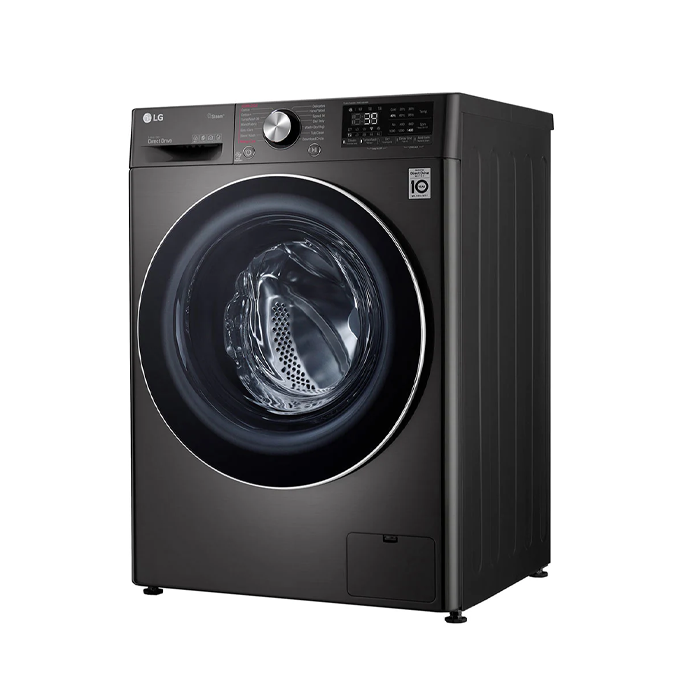
Washing Machines
Make laundry stress-free with Dispasal’s collection of 100% original washing machines.
At DISPASAL, we stock semi-automatic twin tubs, top-load automatics, and front-load automatics from trusted brands including LG, Hisense, Haier Thermocool, and Scanfrost. Every machine we sell is genuine, verified, and comes with a manufacturer warranty.
When you visit or contact us, we will ask about your water supply, power situation, household size, and budget — and recommend the exact machine that genuinely fits your home. We have seen too many customers buy the wrong type based on appearance or brand name alone, and we are committed to making sure that does not happen to our customers.
We also stock voltage stabilizers to protect your investment from day one.
Visit us in-store: No. 2 Berger Paint Junction, Chaza Road, Opposite Jehova Eze Plaza, Shop 5, Suleja, Niger State
WhatsApp, call, or shop online: 📱 09164425471 📧 info@dispasal.com 🌐 dispasal.com
Delivery available. WhatsApp us to discuss your order.
Frequently Asked Questions
Can a semi-automatic washing machine run on a 1 KVA generator? Yes. Most semi-automatic machines draw between 300 and 500 watts, well within a 1 KVA generator’s capacity alongside basic lighting.
Which uses less water — top-load or front-load automatic? Front-load uses significantly less — typically 40 to 60 litres per cycle compared to 60 to 90 litres for a top-loader. For homes where water cost or availability is a concern, front-load is the more efficient choice.
Can I use regular omo or ariel powder in a fully automatic machine? Regular powder detergent is not recommended for fully automatic machines, particularly front-loaders. It produces too much foam, which interferes with the wash cycle and can damage the machine over time. Use a low-foam (HE) detergent designed for automatic machines. Several are available in Nigerian supermarkets.
How long should a good washing machine last? A well-maintained semi-automatic can last 8 to 12 years. A quality fully automatic machine from LG or Samsung with proper maintenance and voltage protection lasts 10 to 15 years. Poor maintenance and power fluctuations are the primary reasons machines fail early.
Is a front-load machine too complicated for regular Nigerian use? No — once set up correctly with a stable water and power connection, front-load machines are actually the simplest to operate day-to-day. You load, select a program, press start, and return to finished laundry. The maintenance requirements are specific but straightforward once you build the habits.
What capacity is right for a family of five? 10 to 12 kg. A family of five generating daily laundry needs to wash large loads efficiently. A smaller machine means more frequent cycles, more electricity, more water, and more wear on the machine.
Quality You Can Trust. Service You Can Count On. — DISPASAL, Suleja, Niger State
Questions about washing machines or any of our products? WhatsApp 09164425471 or visit us in-store. We are always ready to help.