










The Complete Air Conditioner Buying Guide for Nigerian Homes (2026): Everything You Need to Know Before You Install


By DISPASAL | Your Trusted Home Appliance Partner
An air conditioner is one of the most significant purchases a Nigerian household can make. It is expensive to buy, costly to run, and if chosen or installed wrongly, it can become a daily source of frustration — poor cooling, constant generator trips, refrigerant leaks within months, and a compressor that fails before its time.
The Nigerian climate makes air conditioning a genuine necessity in most homes today, not a luxury. The heat is real. The discomfort without cooling is real. But so are the pitfalls of buying the wrong unit, pairing it with the wrong power setup, or handing it to an inexperienced installer who does not know what they are doing.
At DISPASAL, we have helped customers across Suleja, Abuja, and surrounding areas choose and install air conditioners across every budget and every home type. This guide puts everything we know into one place — the types, the technology, the HP sizing science, the inverter truth that most salespeople will not tell you, the installation realities, and how to identify an original product. Read it carefully before you spend a single naira.
Part 1: Understanding the Types of Air Conditioners
Before discussing technology or capacity, you need to know which type of AC unit is right for your space. There are four main types in the Nigerian market, each with a distinct purpose.
Split Unit AC — The Gold Standard for Nigerian Homes
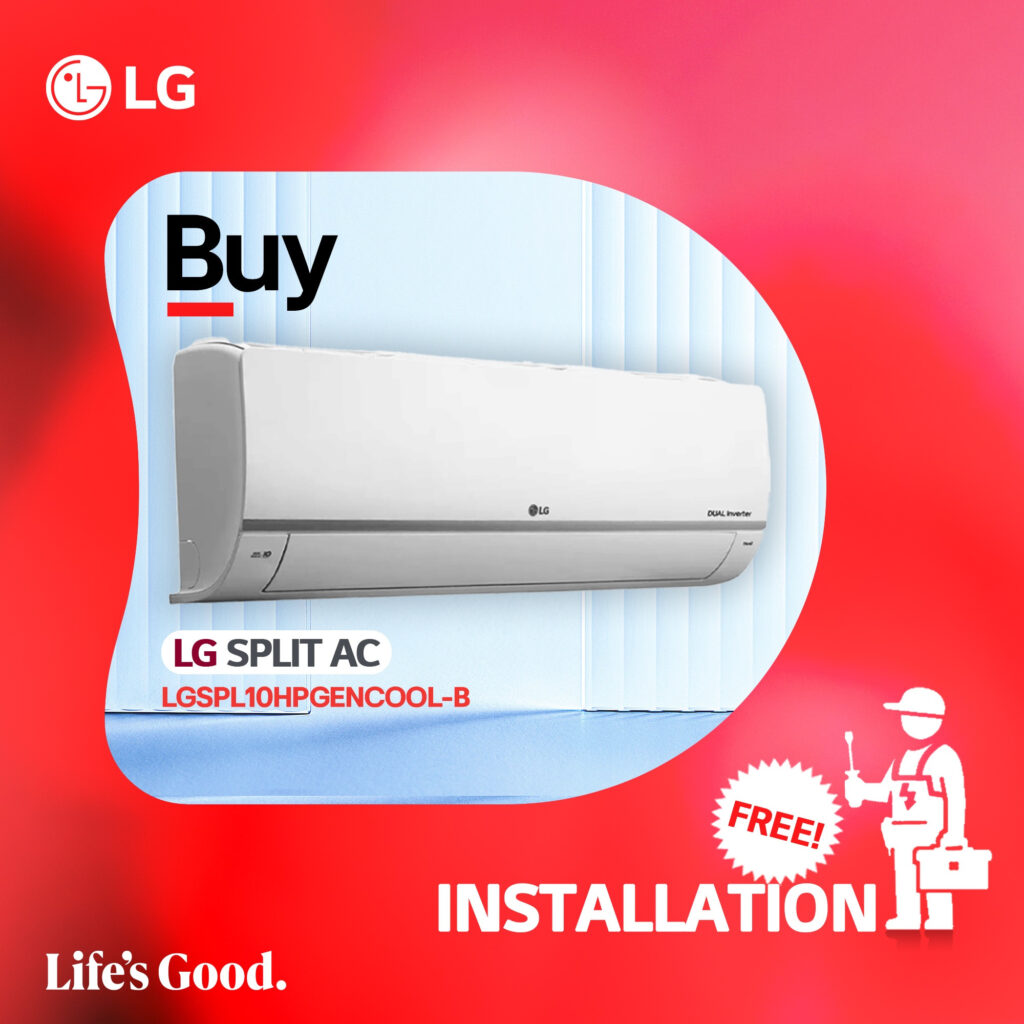
The split unit AC is the most widely used and most recommended type for Nigerian homes and offices. It consists of two separate components: an indoor unit that blows cool air into the room, and an outdoor unit that houses the compressor and releases heat to the outside.
The reason split units dominate the market is straightforward — they deliver superior performance across every measure that matters.
Cooling power: Split units cool rooms faster and more effectively than window units of the same capacity. The indoor unit’s adjustable louvers distribute air broadly and precisely across the room.
Quiet operation: Because the noisy compressor is housed in the outdoor unit outside the building, the indoor unit runs very quietly. This makes a significant difference for bedrooms and offices.
Energy efficiency: All modern energy-saving technologies — particularly inverter compressors — are available in split units. This is where the best efficiency gains in AC technology live.
Installation flexibility: A split unit can be installed in virtually any room, regardless of window type, size, or orientation. It requires only a small hole in the wall for the connecting pipes.
Aesthetics: Slim, clean indoor units mounted high on the wall blend naturally into modern Nigerian interiors far better than bulky window units.
Who it is for: Anyone with a bedroom, sitting room, home office, small office, or shop. The split unit is the right choice for 95% of Nigerian home and office applications.
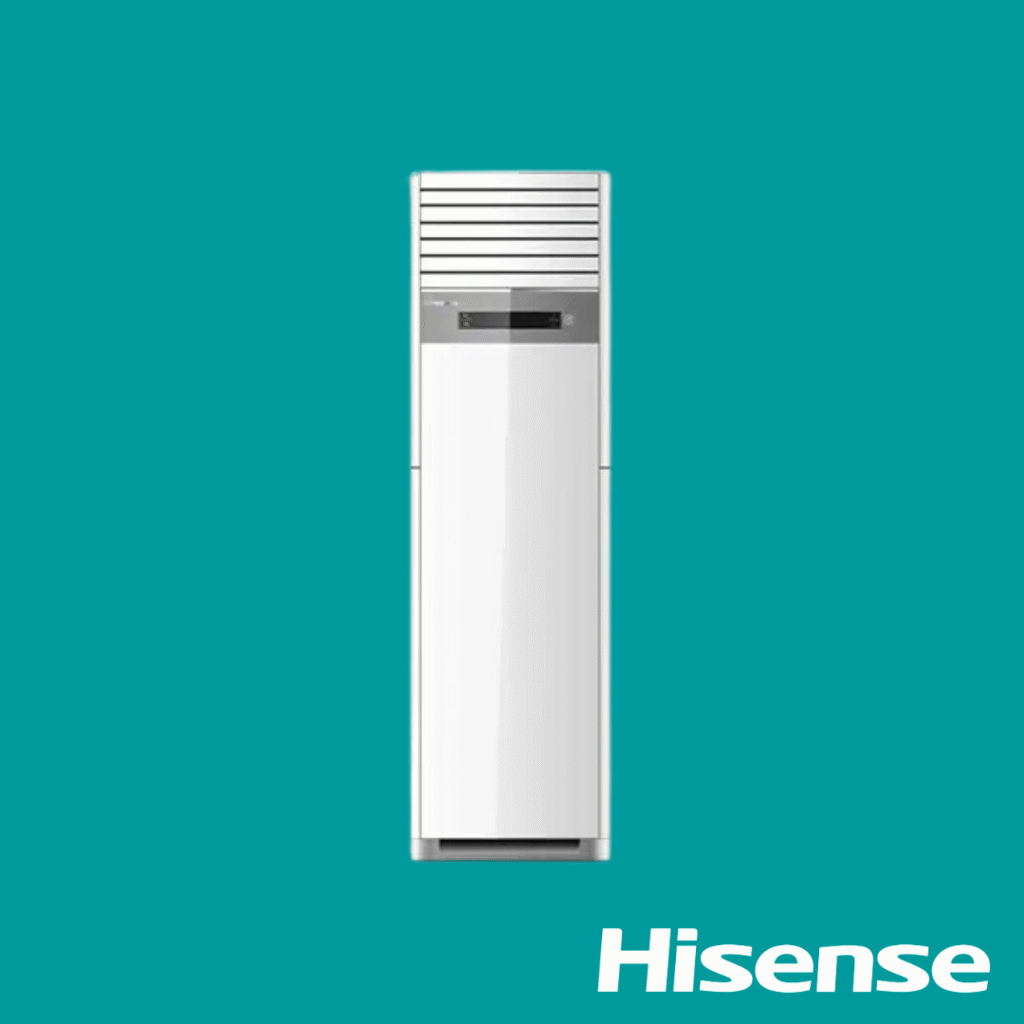
Floor-Standing (Tower) AC
A variation of the split unit where the indoor unit stands vertically on the floor rather than being wall-mounted. Floor-standing units are significantly larger and more powerful, designed for cooling large spaces effectively.
Because the unit stands at floor level, it distributes cold air both upward and outward, covering a wider area with multiple airflow outlets. This makes it particularly effective in large sitting rooms, open-plan offices, churches, and halls where a single wall-mounted unit would struggle to reach all corners.
Who it is for: Large living rooms, churches, event halls, large open offices, or any space above 35 square metres where a wall-mounted split unit would be undersized.
Ceiling Cassette AC
A ceiling cassette is installed directly into the ceiling, sitting flush with the ceiling surface. The air is distributed downward and outward in multiple directions simultaneously — some models deliver airflow in two or four directions — making it the most even-cooling option available for large, open spaces.
Because nothing obstructs airflow from the ceiling position, ceiling cassettes cool spaces faster and more uniformly than wall-mounted units of similar capacity. The design is sleek and minimally visible, which makes it a popular choice for commercial spaces, hotels, and premium residential buildings.
Installation requires a suspended ceiling or a purpose-built cavity in the ceiling structure. This makes it more complex and expensive to install than a standard split unit.
Who it is for: Commercial spaces, hotels, open-plan offices, large rooms with suspended ceilings, or any application where appearance and uniform coverage matter most.
Window Unit AC
An older design where the entire air conditioning system — compressor, evaporator, and fan — is contained in a single box unit that fits into a window frame or a purpose-cut hole in the wall. Window units are cheaper to buy and simpler to install, but they come with significant trade-offs.
They are considerably noisier than split units because the compressor is directly inside the room. They are less energy efficient. They block natural light and ventilation from the window they occupy. And they offer no access to modern inverter technology in the form most Nigerian buyers encounter.
Who it is for: Budget buyers with very limited funds, rental properties where permanent installation is not appropriate, or temporary cooling situations. If you can stretch the budget to a split unit, it is always the better long-term investment.
Portable AC
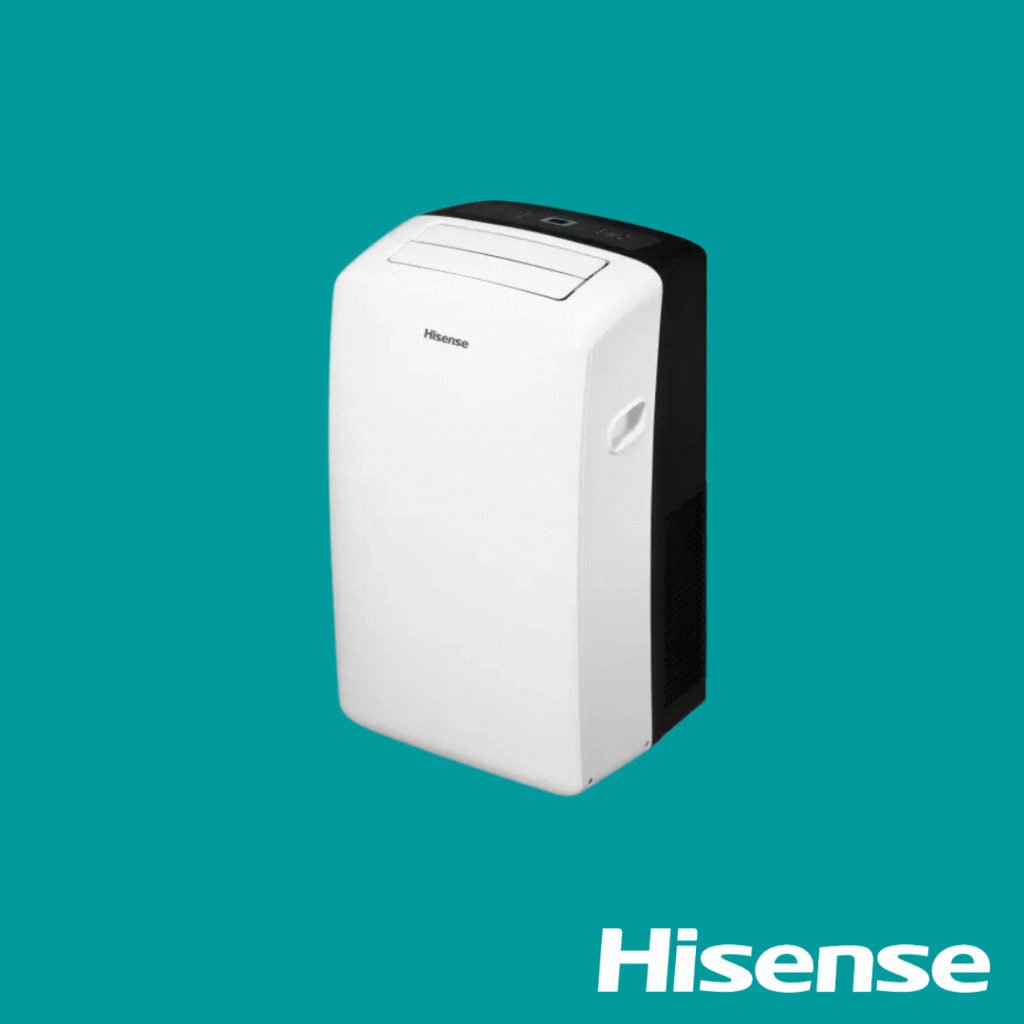
A self-contained, mobile unit that requires no installation. You place it in the room, run the exhaust hose to a window to expel hot air, plug it in, and it begins cooling. Portable ACs can be moved between rooms as needed.
The trade-off is efficiency — portable units are significantly less efficient than split units of the same rated capacity because the hot exhaust draws in some warm room air through gaps. They are also louder and less powerful per watt consumed.
Who it is for: Renters who cannot modify the building, temporary cooling needs, or situations where installation is truly not an option. Not recommended as a primary home cooling solution.
AC Types at a Glance
| AC Type | Best For | Key Advantage | Key Limitation |
|---|---|---|---|
| Split Unit (Wall) | Bedrooms, offices, small rooms | Quiet, efficient, versatile | Requires installation |
| Floor Standing | Large rooms, halls, churches | Wide, powerful airflow | Takes floor space |
| Ceiling Cassette | Commercial, open-plan spaces | Multi-directional, uniform cooling | Complex installation |
| Window Unit | Budget, temporary, rental | Cheap, simple to install | Noisy, inefficient |
| Portable | Temporary, rental, no-install | No installation required | Less efficient, noisy |
Part 2: Inverter vs Non-Inverter — The Most Important Technology Decision
This is where most buyers either make the right decision or spend years regretting the wrong one. The inverter vs non-inverter choice affects your electricity bill, your generator compatibility, your compressor’s lifespan, and your daily cooling comfort — every single day the AC runs.
How a Non-Inverter (Conventional) AC Works
A non-inverter AC compressor operates at one speed only — full power. When you switch the AC on, the compressor starts at maximum capacity. Once the room reaches the set temperature, it switches off completely. When the temperature rises again, it switches back on at full power. This cycle of on-off-on-off continues throughout the day.
Every time the compressor starts at full power, it draws a massive surge of electricity — often four to six times its steady running wattage — for a fraction of a second. This is the startup surge. This surge is what trips generators, strains home inverter batteries, and creates mechanical stress in the compressor every single time it occurs.
How an Inverter AC Works
An inverter AC compressor operates at variable speed. When you first switch it on and the room is hot, the compressor runs at high speed to cool the room rapidly. Once the set temperature is reached, instead of switching off, it slows down to the minimum speed needed to maintain that temperature — running quietly and continuously at very low power.
<cite index=”93-1″>By continuously running at optimal speeds rather than cycling on and off, inverter ACs can save up to 30 to 50 percent on electricity bills compared to non-inverter models.</cite> For a household running an AC for six to eight hours daily on generator fuel, this is a saving felt every single month.
The Truth About Cooling Speed — What Most Guides Get Wrong
Here is something important that many guides misrepresent: a non-inverter AC actually cools a room faster initially than an inverter AC of the same HP, because it blasts at full power continuously until the target temperature is reached, with no modulation.
An inverter AC starts fast but progressively reduces speed as the temperature approaches the target, resulting in a slightly more gradual final approach to the set temperature.
What this means practically:
- If your priority is reaching a cool temperature as fast as possible and you have a strong, stable power source — a non-inverter delivers stronger initial cooling power.
- If your priority is fuel savings, quieter operation, generator compatibility, and long-term compressor lifespan — an inverter is the clear winner.
- For most Nigerian households where power costs and generator management are daily concerns — inverter is the right choice.
Inverter AC and Generator Compatibility
<cite index=”94-1″>For running ACs on solar or inverter systems, inverter ACs are essential because non-inverter ACs have too high a startup current for most home inverter systems.</cite> The soft-start technology in inverter compressors eliminates the surge that trips small generators.
A practical generator size guide for Nigerian homes:
| AC Capacity | Non-Inverter Generator Needed | Inverter Generator Needed |
|---|---|---|
| 1 HP | 3.5 KVA minimum | 2.5 KVA minimum |
| 1.5 HP | 5 KVA minimum | 3.5 KVA minimum |
| 2 HP | 7.5 KVA minimum | 5 KVA minimum |
The stabilizer question:
| AC Capacity | Stabilizer Recommendation |
|---|---|
| 1 HP | Wall-mounted stabilizer recommended |
| 1.5 HP | Dedicated stabilizer required |
| 2 HP | Heavy-duty 5,000W stabilizer |
| Floor Standing (2HP+) | 5KVA stabilizer minimum |
A voltage stabilizer is not optional in Nigeria. Power fluctuations and surge voltage at restoration are among the most common causes of electronic control board failure and compressor damage in air conditioners. A stabilizer that costs a fraction of your AC’s price can protect the entire investment for years.
Inverter vs Non-Inverter — Direct Comparison
| Feature | Non-Inverter | Inverter |
|---|---|---|
| Initial cooling speed | Faster — full power from start | Slightly more gradual |
| Energy consumption | High — full power every cycle | 30–50% less overall |
| Generator startup impact | Heavy surge, needs large generator | Soft start, smaller generator ok |
| Temperature consistency | Fluctuates — cycles on and off | Stable — continuous modulation |
| Noise level | More noticeable compressor cycling | Quieter, steady operation |
| Compressor lifespan | Shorter — high start-stop stress | Longer — less mechanical stress |
| Upfront cost | Lower | Higher |
| Long-term cost | Higher electricity and fuel | Lower — pays back in 12–18 months |
| Solar/inverter compatible | Difficult | Yes |
Part 3: Choosing the Right HP — The Decision Most Nigerians Get Wrong
HP — horsepower — is the measure of an AC’s cooling power in Nigeria. Choosing the wrong HP for your room is one of the costliest mistakes a buyer can make, and it produces problems in both directions.
Too small (undersized): The AC runs continuously at full capacity trying to cool a space it cannot handle. It never reaches the set temperature, the compressor works under constant stress, electricity consumption remains perpetually high, and the compressor fails prematurely.
Too large (oversized): The AC reaches the set temperature too quickly and shuts off before it has had time to properly remove humidity from the air. The room feels cold but damp and clammy. The AC cycles on and off too frequently, which wastes energy and stresses the compressor.
The Nigerian Room Size Guide
The following is a practical HP guide for Nigerian room types and dimensions. These figures account for Nigeria’s tropical climate, high ambient temperatures, and typical building construction:
| Room Type / Size | Recommended HP |
|---|---|
| Small bedroom (up to 12 m²) | 1 HP |
| Standard bedroom (12–18 m²) | 1 HP to 1.5 HP |
| Large bedroom / master (18–25 m²) | 1.5 HP |
| Standard sitting room (25–35 m²) | 2 HP |
| Large sitting room / open plan (35–50 m²) | 2.5 HP or floor standing |
| Hall / church / large commercial | Floor standing or ceiling cassette, 3 HP+ |
Important Adjustment Factors
The standard room size guide above assumes typical conditions. In Nigeria, several factors can increase the cooling load and push you toward the next HP size up:
Sun exposure: A room that receives direct sunlight through windows or a metal roof for most of the day absorbs significantly more heat. Add 10 to 15 percent to the calculated cooling requirement, which often means stepping up to the next HP.
Ceiling height: Standard guides assume 2.5 to 3 metre ceilings. Higher ceilings mean more air volume to cool. Rooms with ceilings above 3 metres should be sized up.
Number of occupants: Each person in a room generates body heat. A bedroom with two people needs slightly more cooling capacity than a solo room of the same size.
Heat-generating appliances: A room containing a television, computers, or cooking equipment produces additional heat that the AC must overcome.
Building insulation: Rooms with poor insulation — particularly flat roofs with no ceiling board, or thin wall construction — absorb more external heat and require more cooling capacity.
The practical rule: When in doubt between two HP sizes, choose the larger one. An AC that is slightly oversized for a room is far less damaging than one that is consistently undersized. An undersized AC never rests — and a compressor that never rests does not last.
Part 4: Installation — The Hidden Reason Most ACs Underperform
You can buy the most expensive air conditioner on the Nigerian market. You can choose the perfect HP for your room and pair it with the right generator. But if the installation is done poorly, none of that matters.
Poor installation is responsible for a significant proportion of AC complaints in Nigeria — refrigerant leaks within months of purchase, reduced cooling efficiency, compressor failures, and expensive repairs that void warranties. Understanding what good installation looks like protects your investment.
Pure Copper Piping — Non-Negotiable
The pipes that connect the indoor and outdoor units carry refrigerant under high pressure. These pipes must be pure copper — not aluminium, not a copper coating over another material, not any substitute. Copper is the industry standard because it handles the pressure, temperature extremes, and corrosion resistance demands of refrigerant piping.
<cite index=”106-1″>Copper pipe leakage is a fatal flaw of an air conditioner. Once it leaks, all the refrigerant overflows and the air conditioner fails due to the lack of heat transfer medium.</cite> A leak caused by substandard pipe material or poor installation workmanship can result in complete refrigerant loss within weeks or months — an expensive repair that is rarely covered under warranty because it is classified as an installation fault.
Always confirm with your installer that pure copper piping is being used. Ask to see the pipe material before installation begins.
Vacuuming the System Before Gas Release
This is the step that many unqualified Nigerian installers skip — and it is the one that causes the most long-term damage.
Before refrigerant is released into the system, a vacuum pump must be used to remove all air and moisture from the connecting copper pipes. Air and moisture inside the refrigerant circuit are contaminants that the system cannot handle. They interfere with refrigerant flow, cause internal corrosion, and over time lead to compressor damage.
A proper vacuum hold should be maintained for at least 15 to 30 minutes and confirmed with a gauge before the refrigerant valves are opened. Any installer who skips this step — whether to save time or because they do not have the equipment — is putting your compressor at risk.
Outdoor Unit Placement and Ventilation
The outdoor unit releases all the heat extracted from your room to the outside air. For it to do this efficiently, it needs adequate space and airflow around it.
The outdoor unit should never be:
- Enclosed in a tight space with no air circulation
- Placed where exhaust air immediately recirculates back into the intake
- Exposed to direct, intense afternoon sun with no shade (if avoidable)
- Installed where the exhaust blows directly toward a neighbour’s window or public walkway
When the outdoor unit cannot efficiently release heat, it runs hotter, works harder, consumes more electricity, and degrades faster. An outdoor unit installed in a poorly ventilated location can lose up to 30 percent of cooling efficiency compared to a well-positioned unit.
Pipe Length and Routing
The copper pipes connecting the indoor and outdoor units should be as short as practically possible. Longer pipe runs reduce system efficiency because refrigerant must travel farther and loses some pressure. Sharp bends in the piping also restrict refrigerant flow.
A professional installer plans the shortest, cleanest route between the indoor and outdoor units, uses proper bending tools to avoid kinks, and properly insulates the larger suction pipe to prevent condensation and heat gain.
Use a Qualified, Brand-Authorized Installer
The single most effective thing you can do to protect your AC investment after buying is to insist on a qualified installer. Brand-authorized installers know the correct procedures for the specific units they install, carry proper equipment including vacuum pumps and refrigerant gauges, and their work is more likely to be covered by the manufacturer’s warranty if issues arise.
At DISPASAL, we can connect you with qualified installation professionals for every unit we sell. Ask us when purchasing.

Air Conditioners
Buy Original Air Conditioners Online in Nigeria
Discover unbeatable offers on our range of air conditioners
SKYRUN AC
Part 5: How to Identify an Original Air Conditioner
The Nigerian AC market has both genuine products and inferior units sold as premium ones. Here is how to protect yourself.
Check the Outdoor Unit Weight
Original air conditioners use pure copper coils in both the indoor and outdoor units. Copper is heavier than the aluminium used in inferior products. An outdoor unit that feels surprisingly light for its size is a warning sign that copper has been substituted with cheaper materials.
Verify the Importer Sticker
Major brands have official Nigerian importers and their products carry distributor stickers:
- LG and Hisense → Fouani Nigeria
- Panasonic → Zabadne (hologram sticker)
- Skyrun → Authorized local distributors
- Thermocool (Haier) → Royalline
The sticker should appear on the outdoor unit and packaging. Missing or unofficial importer information is a significant red flag.
Confirm Model on Official Website
Before finalizing any AC purchase, look up the exact model number on the brand’s official Nigerian website or global catalogue. The unit on the shop floor should match exactly — controls, finish, dimensions, and specifications. If the model number does not appear in official records, walk away.
Check the Remote and Packaging
Original units come with well-built remotes with consistent labelling, accurate printing, and solid button quality. Original packaging is clean, professionally printed, and includes a proper user manual and warranty card. Poor print quality, vague language, or missing documentation are warning signs.
The Noise Test
Switch the display unit on if possible. Modern original air conditioners run very quietly, especially on inverter models. A new unit that sounds loud, rattles, or vibrates unusually may be poorly assembled, counterfeit, or damaged.
Buy from a Trusted Retailer
Every check above is a layer of protection. But the most reliable protection is buying from an established retailer with a reputation to maintain. DISPASAL stocks only verified, original units from authorized channels — and stands behind every sale with proper warranty support.
Part 6: Key Features to Look For When Buying
Beyond HP and inverter technology, these features make a meaningful difference to your daily experience:
Auto-restart: When power is restored after a blackout, the AC automatically returns to its last settings without requiring manual intervention. Essential in Nigeria.
Sleep mode: Gradually adjusts temperature overnight as the body’s cooling needs change during sleep, saving energy and improving comfort.
Timer function: Schedule the AC to turn on or off at specific times — cooling the room before you arrive home, or switching off after you fall asleep.
Dehumidification mode: Removes excess moisture from the air without aggressive cooling. Particularly useful during Nigeria’s humid rainy season when temperatures are moderate but the air feels heavy and uncomfortable.
Self-cleaning / auto-clean: Some premium models have a function that dries out the evaporator coil after use to prevent mould and bacterial growth — an important hygiene feature for air conditioners running in closed rooms.
Wide voltage operation: Some inverter models are specifically designed to operate across a wider voltage range than standard, making them more tolerant of Nigeria’s voltage fluctuations without a stabilizer. Look for this feature, especially in models from LG and Hisense.
Anti-corrosion coating (Gold Fin / Blue Fin): A protective coating on the coils that resists rust and corrosion in humid environments. Particularly valuable in areas with high ambient humidity.
Part 7: Maintenance — Protecting Your Investment Long-Term
A well-maintained air conditioner lasts significantly longer and performs better throughout its life. These habits make the difference between a unit that serves you for 10 years and one that requires major repairs within three.
Clean the air filter every two to four weeks. The filter catches dust and particles from room air. A clogged filter forces the fan to work harder, reduces airflow, decreases cooling efficiency, and can cause the evaporator coil to freeze over. Most filters simply pull out, rinse under tap water, and dry before reinserting — a five-minute task.
Clean the indoor unit’s evaporator coil annually. Even with regular filter cleaning, dust accumulates on the coil over time. A professional coil cleaning restores full airflow and cooling efficiency. This is typically done during annual servicing.
Keep the outdoor unit clear. Leaves, dust, and debris accumulate around and inside the outdoor unit. Periodically clear vegetation away from the unit and gently rinse the condenser coil with water to remove surface dirt. A dirty condenser cannot release heat efficiently.
Check refrigerant levels every one to two years. A slow refrigerant leak is common over time and gradually degrades cooling performance. A technician can check and top up refrigerant levels during annual servicing.
Service the unit annually. An annual service by a qualified technician covers filter and coil cleaning, refrigerant check, electrical connection inspection, and condenser cleaning. This single habit prevents the majority of AC problems before they develop into expensive failures.
Use a voltage stabilizer consistently. Every power fluctuation without a stabilizer is a risk to the electronic control board. A stabilizer in constant use is the most cost-effective maintenance investment you can make.
Part 8: Brand Guide — Who to Trust in Nigeria
Premium Tier
LG: The global leader in inverter split AC technology. LG’s Dual Inverter compressor — which uses two rotors instead of one — delivers faster cooling, quieter operation, and superior energy efficiency compared to single-inverter competitors. LG ACs are rated for operation across a wide voltage range, which is valuable in Nigeria’s power environment. Excellent warranty and support through Fouani Nigeria.
Samsung: Strong engineering, excellent smart features, and the WindFree technology on premium models — which distributes cool air through thousands of micro-holes rather than direct airflow, eliminating the cold draft feeling that many people find uncomfortable. Good support through Samsung Nigeria.
Value Tier
Hisense: Exceptional value in the Nigerian market. Hisense inverter split units deliver competitive cooling performance at significantly lower prices than LG and Samsung. The brand has invested heavily in energy efficiency and their units hold up well under Nigerian conditions. Supported by Fouani Nigeria.
Skyrun: Locally assembled, competitively priced, and with a service network that extends into smaller cities and towns. A practical choice for budget-conscious buyers who want reliable cooling with accessible after-sales support.
Nexus: Entry-level pricing with acceptable performance for basic cooling needs. Buy only from a trusted retailer with verified warranty support when choosing this tier.
Shop Air Conditioners at DISPASAL
At DISPASAL, we stock split unit ACs, floor-standing units, and inverter models from verified brands including LG, Hisense, Nexus, and Skyrun — across capacities from 1 HP to 2 HP and above. Every unit comes with a manufacturer warranty, honest specifications, and professional buying advice.
We will ask about your room size, power situation, and usage habits, then recommend the exact unit and HP that genuinely fits your home — not the most expensive option, but the right one. We can also connect you with qualified installation professionals.
Visit us in-store: No. 2 Berger Paint Junction, Chaza Road, Opposite Jehova Eze Plaza, Shop 5, Suleja, Niger State
WhatsApp, call, or shop online: 📱 09164425471 📧 info@dispasal.com 🌐 dispasal.com
Delivery and installation referrals available. WhatsApp us to get started.
Frequently Asked Questions
Which AC is best for a small generator (I-pass-my-neighbour)?
An inverter AC from LG or Hisense. The soft-start technology means it will not trip a small generator. A 1 HP inverter unit can typically run on a 2.5 KVA generator alongside basic household loads.
Is inverter AC worth the extra cost in Nigeria?
Yes, for almost every household. The electricity and fuel savings pay back the price difference within 12 to 18 months, and the unit lasts two to three years longer on average. The calculation strongly favours inverter.
What HP do I need for my sitting room?
Measure the room. For a standard Nigerian sitting room of 25 to 35 square metres, 2 HP is the correct choice. For a large open-plan living area above 35 square metres, consider a 2.5 HP split unit or a floor-standing unit.
How do I know if my AC installer did a good job?
A properly installed unit uses pure copper piping, has been vacuum-purged before refrigerant release, has the outdoor unit in a well-ventilated location, and the connecting pipes are neatly routed and insulated. If you were not present during installation, ask the installer these specific questions. A qualified technician will answer them confidently.
How often should I service my AC?
Annually as a minimum. Clean the air filter yourself every two to four weeks. Have a professional service — including coil cleaning and refrigerant check — done once a year.
Can I run an AC on solar?
Yes — with proper planning. An inverter AC is essential for solar compatibility. Running a 1 HP inverter AC on solar requires a minimum 3 to 4 KW solar array and a pure sine wave inverter rated at least twice the AC’s power consumption. The setup cost is significant but pays off over time in eliminated fuel costs.
Quality You Can Trust. Service You Can Count On. — DISPASAL, Suleja, Niger State
Questions about air conditioners or any of our products? WhatsApp 09164425471 or visit us in-store. We are always ready to help.
Top rated products
-
Hisense 65-Inch UHD A6Q 4K Smart TV (65A6Q)
Original price was: ₦720,000.00.₦690,000.00Current price is: ₦690,000.00. -
Hisense Chest Freezer 142L (190SH-FC)
Original price was: ₦290,000.00.₦255,000.00Current price is: ₦255,000.00. -
Provincia Aspen TV Stand 1.35m Branco Fosco (White Matte) PA227553
Original price was: ₦125,000.00.₦115,000.00Current price is: ₦115,000.00. -
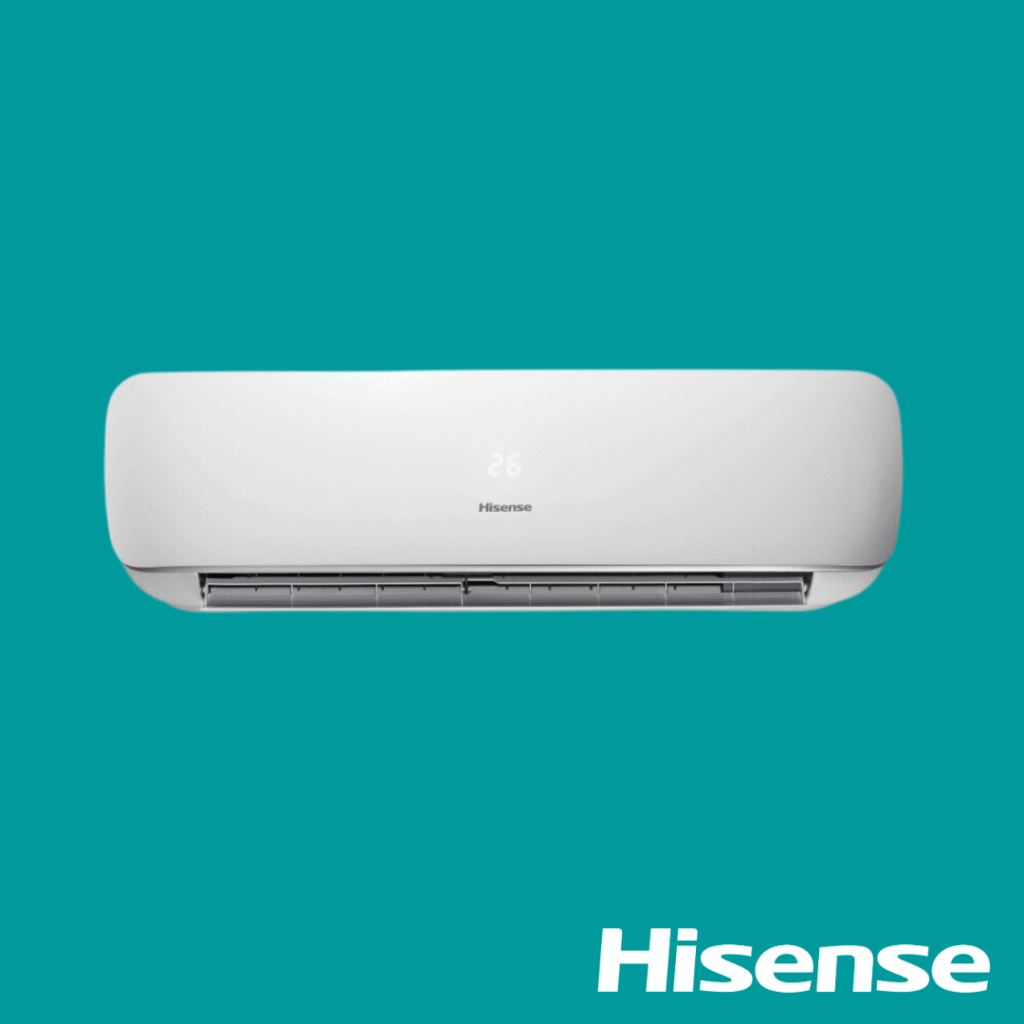
Hisense Split AC 1 HP Normal (AS09TG)
Original price was: ₦320,000.00.₦300,000.00Current price is: ₦300,000.00. -
LG Single Door Refrigerator 199L (GN-Y331SLBB)
Original price was: ₦380,000.00.₦345,000.00Current price is: ₦345,000.00. -
Mora TV HD 43 Inch D3N
Original price was: ₦200,000.00.₦180,000.00Current price is: ₦180,000.00. -
Hisense Blender 500W 1.5L White Grey (H15TBWES2)
Original price was: ₦40,000.00.₦32,000.00Current price is: ₦32,000.00. -
Hisense Toaster Oven 45L 2000W (H45TOBK20S1)
Original price was: ₦160,000.00.₦140,000.00Current price is: ₦140,000.00. -
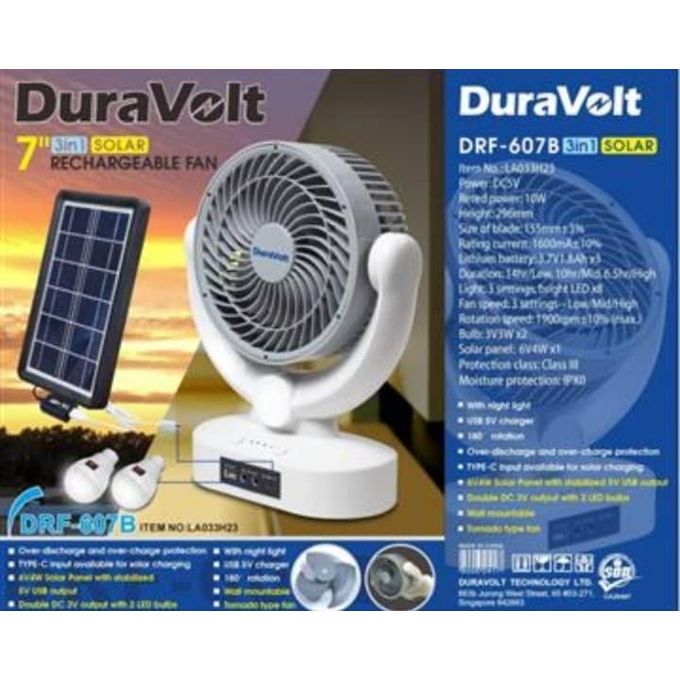
Duravolt Rechargeable Table Fan – 7 Inch
-
Hisense Top Freezer Refrigerator 205L Red (205DRB)
Original price was: ₦375,000.00.₦345,000.00Current price is: ₦345,000.00. -
LG 43-Inch Full HD Smart TV (43UA73006LA)
Original price was: ₦395,000.00.₦375,000.00Current price is: ₦375,000.00. -
LG Microwave 20L (MS2032)
Original price was: ₦145,000.00.₦125,000.00Current price is: ₦125,000.00. -
Skyrun Chest Freezer 200 Liters (BD-200HNW)
Original price was: ₦340,000.00.₦310,000.00Current price is: ₦310,000.00. -
Skyrun Combi Fridge 170L Double Door (BCD-170K)
Original price was: ₦330,000.00.₦320,000.00Current price is: ₦320,000.00. -
Maxi Gas Cooker 60×90 CM (4+2) Burners – Black & Grey
Original price was: ₦450,000.00.₦430,000.00Current price is: ₦430,000.00. -
Hisense Blender – 1000W, 1.5L
Original price was: ₦90,000.00.₦80,000.00Current price is: ₦80,000.00. -
Maxi Tabletop Gas Cooker 4 Burners (400OC)
Original price was: ₦49,000.00.₦45,000.00Current price is: ₦45,000.00. -
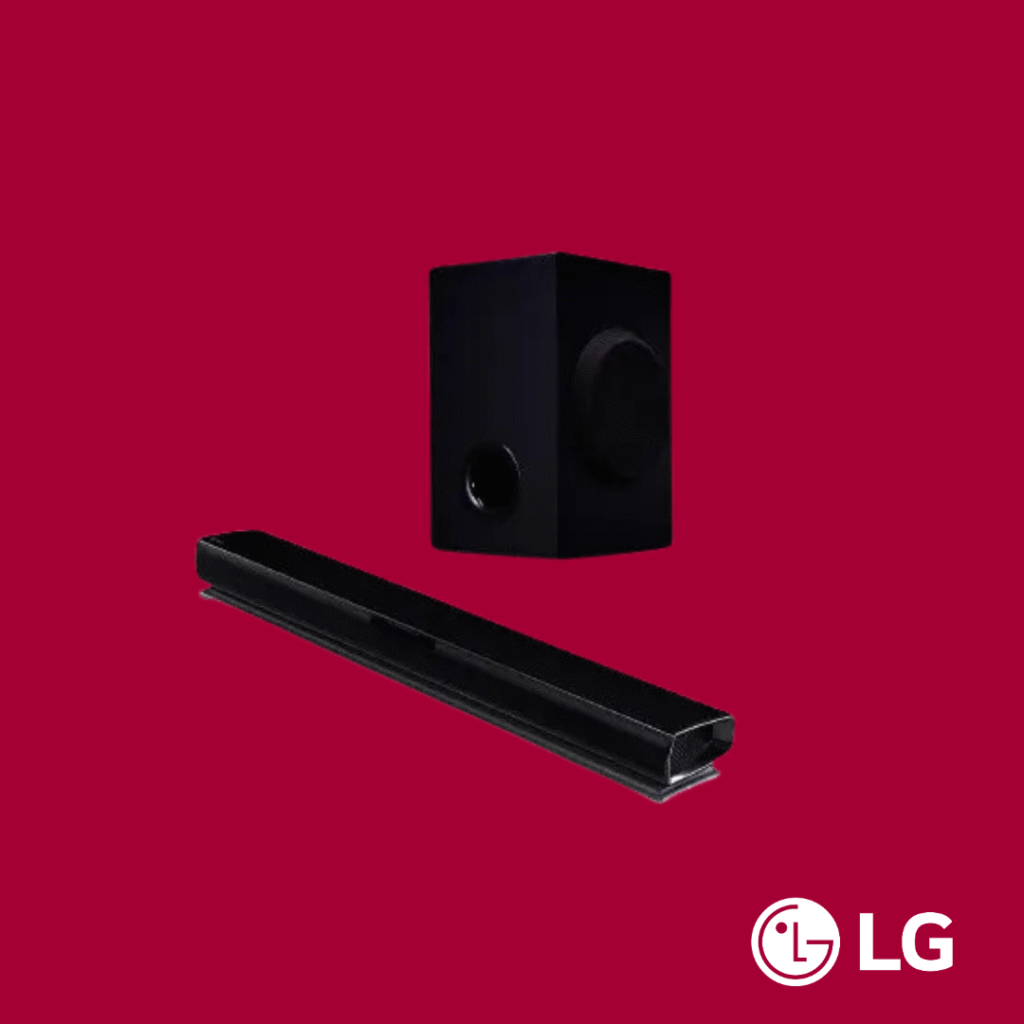
LG Soundbar with Subwoofer 160W 2.1CH (SQC1)
₦175,000.00 -
LG Smart TV 43” UT73 4K UHD
Original price was: ₦400,000.00.₦375,000.00Current price is: ₦375,000.00. -
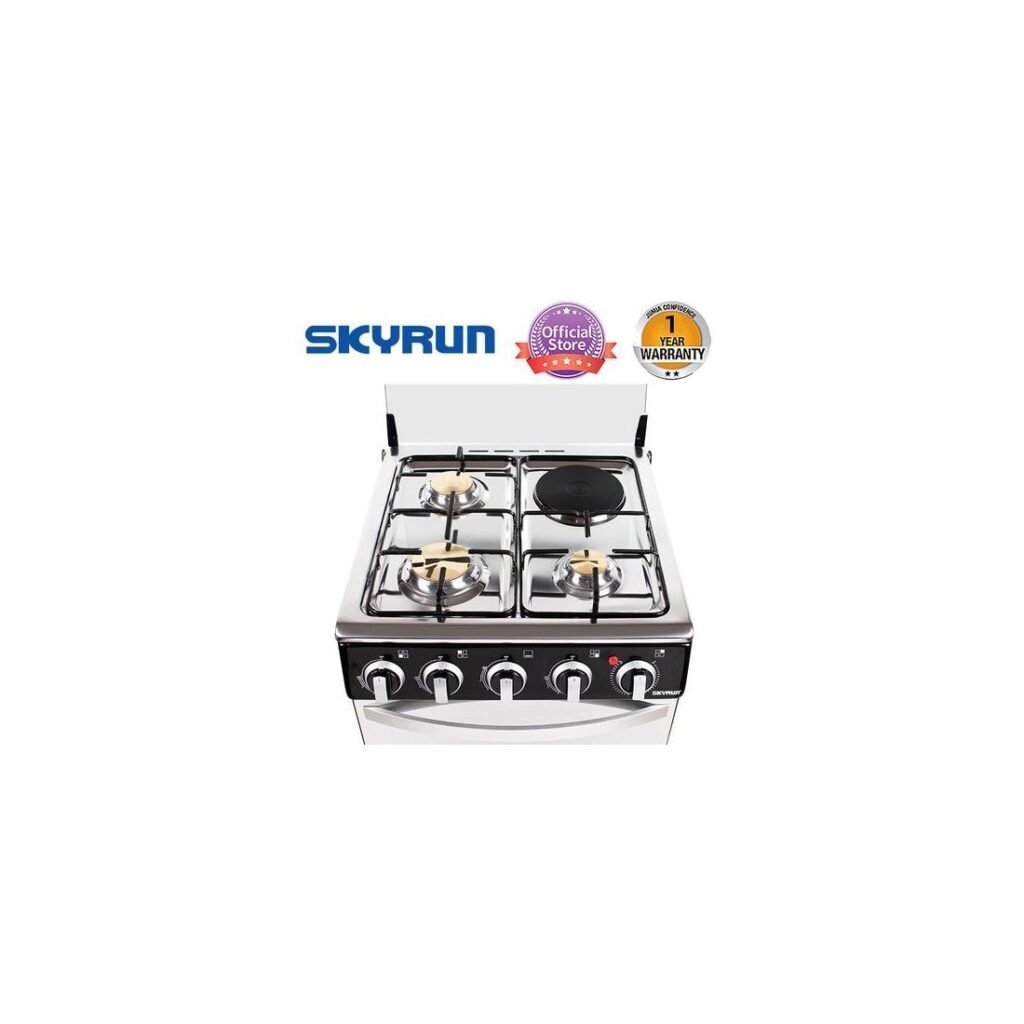
Skyrun Gas Cooker 3+1 50X50 GCS-3G1EX
₦190,000.00 -
Provincia Yves TV Stand (PA227152) 2.2m (White Dourado)
Original price was: ₦220,000.00.₦205,000.00Current price is: ₦205,000.00. -
QASA AVR-PRO 2000VA
Original price was: ₦70,000.00.₦62,000.00Current price is: ₦62,000.00. -
Hisense Top Freezer Refrigerator 87L (120DR)
Original price was: ₦205,000.00.₦185,000.00Current price is: ₦185,000.00.



Frequently Asked Questions (FAQs)
Related Article
The Complete Guide to Buying a New Television(TV) in Nigeria (2026)
The Ultimate Guide to Buying a Refrigerator/fridge in Nigeria (2026)
How To Choose The Right Sound System Online In Nigeria (2026 Guide)
How to Buy Home Appliances & Gadgets Online Safely in Nigeria