




The Smart Fridge & Freezer Guide: How to Arrange, Use, and Get the Most Out of Your Appliance

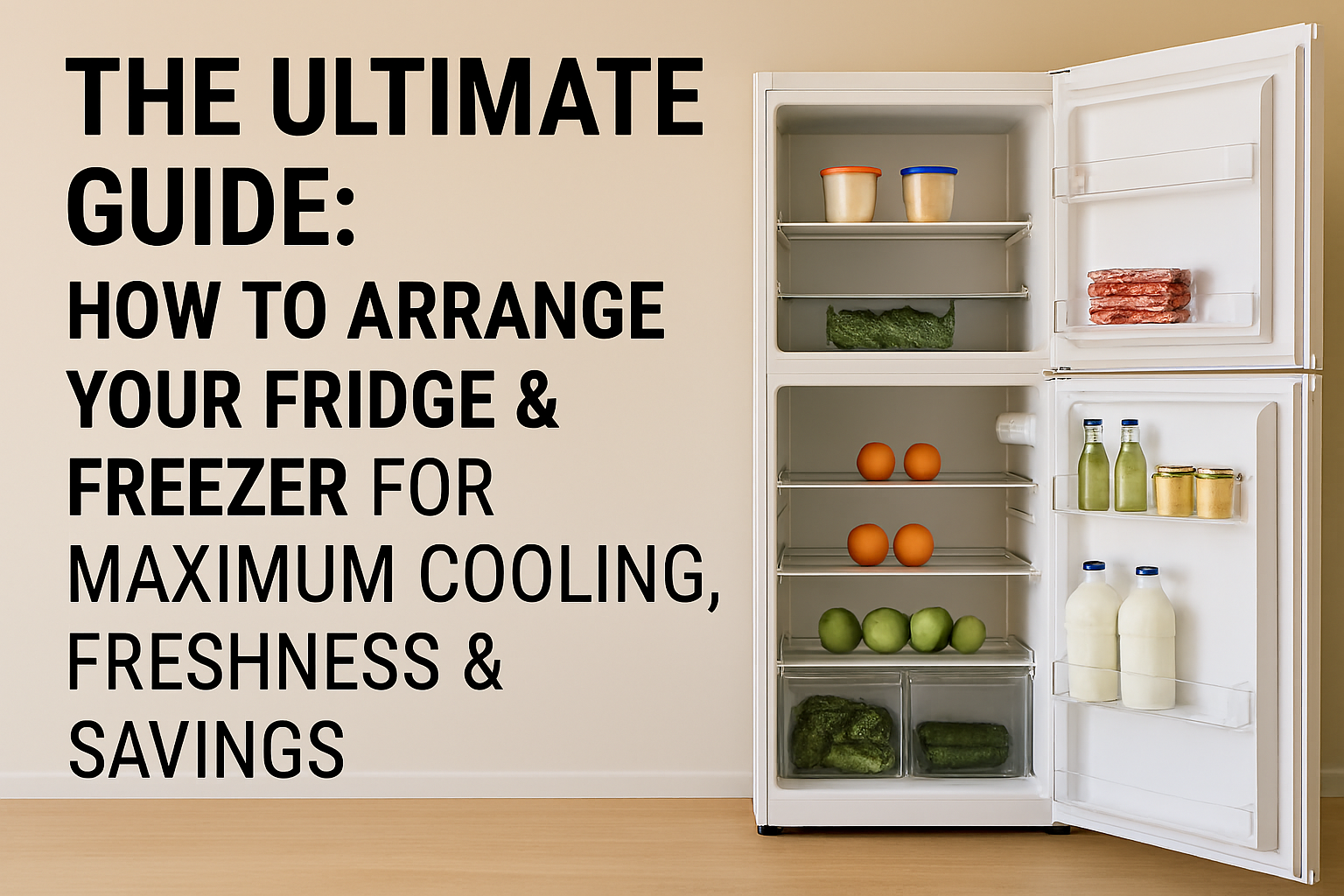
By DISPASAL | Your Trusted Home Appliance Partner
Two Real Stories That Inspired This Article
Not long ago, a customer purchased a freezer from DISPASAL. A few days later, she called with a complaint — the freezer was not cooling properly, and after running for several hours, nothing was freezing. Concerned, I paid her a visit to inspect the unit.
What I found had nothing to do with the freezer itself.
The entire chest freezer had been packed full of sachet water from the very first moment it was switched on. Every corner, every available space — completely filled with warm, unrefrigerated water bags. There was not a single gap anywhere. The freezer had been working for hours, desperately trying to cool an enormous load of warm items from a standing start, with no room for cold air to circulate. The unit was not faulty. It was being used in a way that made success physically impossible.
The second story involves another customer whose freezer was functioning well — but every time she placed fish inside, everything in the freezer began to smell like fish. Vegetables, sachet water, frozen stew — everything carried the odour. The problem was not the fish itself. The problem was how and where it was stored.
These two stories represent the most common and most preventable fridge and freezer problems I encounter. And they inspired this article.
This guide covers everything — how to arrange your fridge and freezer for maximum efficiency, what to store and where, what should never go inside, the difference between what a fridge does and what a freezer does, and practical tips for both home users and business operators.
Part 1: Understanding the Difference Fridge vs Freezer
Before we talk about arrangement, let us be clear about what each appliance is designed to do. Many people treat them interchangeably, and that misunderstanding leads to poor results.
What a Refrigerator Does
A refrigerator maintains temperatures typically between 3°C and 7°C — cold enough to significantly slow bacterial growth and keep food fresh, but not cold enough to freeze. It extends the life of fresh food, preserves cooked food, keeps drinks cold, and protects perishable items like dairy, eggs, fruits, and vegetables from spoiling quickly.
A fridge is designed for short to medium-term food storage — days to a few weeks depending on the food type.
What a Freezer Does
A freezer maintains temperatures at minus 18°C or below — cold enough to stop bacterial activity almost completely and preserve food for weeks or months. Freezing locks in the quality, nutrients, and safety of food by preventing microbial growth and chemical deterioration.
A freezer is designed for long-term food preservation — weeks to several months.
Why This Distinction Matters
The mistake most people make is using the freezer as a dumping ground for everything that did not fit in the fridge, or putting things in the fridge that should actually be at room temperature. Both approaches lead to poor food quality, wasted electricity, and appliance strain.
Knowing what belongs where — and within each appliance, knowing which zone is right for which item — is the foundation of smart fridge and freezer use.
To understand why arrangement matters so profoundly, you first need to understand what your fridge and freezer are actually doing when they cool food.
Most people assume the fridge cools food by touching it — that cold transfers from the walls or shelves directly into whatever is stored there. This is a natural assumption, but it is incorrect.
Refrigerators and freezers cool by circulating cold air.
Here is what actually happens: the compressor pumps refrigerant through the system. The refrigerant absorbs heat from inside the appliance and releases it outside through the condenser coils. As heat is removed from the interior, cold air is generated at the evaporator — the cooling element — and distributed through the fridge or freezer by either natural movement (in direct-cooling models) or a fan (in no-frost models).
That cold air must travel. It moves from the evaporator through the interior, around your stored items, picking up heat from the food and returning to the evaporator to be cooled again. This cycle continues continuously as long as the appliance is running.
If that air cannot travel — if something blocks its path — the cycle breaks down.
Cold air pools near the source. Heat gets trapped in pockets throughout the interior. The compressor keeps running because the sensors tell it the target temperature has not been reached — but no matter how long it runs, it cannot solve a circulation problem. Food spoils. Ice builds up in some areas while others stay warm. Electricity is consumed for results that never fully materialize.
This is not a machine problem. It is an airflow problem. And it is entirely within your control.
Part 2: What Happens When Airflow Is Blocked — The Real Consequences
Understanding the consequences in detail motivates the right habits. When air cannot circulate freely inside a fridge or freezer, a cascade of problems follows:
Uneven temperatures throughout the interior. Some areas — typically near the evaporator or vents — become extremely cold while others remain warmer than they should. You may find vegetables frozen solid in the crisper drawer while meat on another shelf is barely chilled. This is not a thermostat fault. It is a circulation fault.
Food spoils faster. Areas of the fridge that are warmer than the target temperature allow bacterial growth to continue at a faster rate. Food you expected to last four days lasts two. Dairy sours ahead of time. Cooked food deteriorates overnight.
Ice builds up aggressively. When airflow is blocked, moisture from food and from the environment concentrates in specific areas and freezes into thick ice deposits on walls and coils. This ice further restricts airflow, worsening the problem in a self-reinforcing cycle. In direct-cooling models, this leads to frequent defrosting requirements. In no-frost models, it can eventually overwhelm the auto-defrost system.
The compressor never rests. A properly functioning fridge with good airflow reaches its target temperature, and the compressor cycles off to rest. When airflow is poor, the target temperature is never fully reached, and the compressor runs continuously — consuming electricity without achieving results, generating heat in the motor, and accumulating mechanical wear that shortens the compressor’s lifespan significantly.
Higher electricity bills with worse performance. You are paying more for a fridge that is doing less. This is the defining characteristic of a ventilation problem — maximum effort, minimum result.
Shortened appliance lifespan. A compressor that never rests ages rapidly. Seals degrade from continuous thermal stress. The overall lifespan of the appliance shrinks from a potential ten to fifteen years down to five or six — or less, under severe conditions.
All of this from something as correctable as how you pack your fridge.
Part 3: The New Freezer Mistake — Why You Must Pre-Cool Before Loading
This is the most important section for anyone who has just purchased a freezer, or who regularly loads a freezer with large quantities of fresh stock for business.
One of the most consistent complaints we encounter at DISPASAL goes like this: a customer buys a chest freezer, brings it home, fills it immediately with sachet water or fresh fish or meat, and then calls hours later to say the freezer has been running all day but nothing is freezing.
The freezer is not faulty. The customer simply did not know about pre-cooling — and it is not something most sellers bother to explain.
Here is what is happening:
When a freezer leaves the shop or comes off a delivery vehicle, the interior is at room temperature — typically 30°C to 35°C in the Nigerian climate. The evaporator, the walls, the interior air, and every surface are all warm. When you switch it on, the compressor begins the process of pulling the interior temperature down from room temperature to the operating point of minus 18°C or below. This is a significant temperature drop, and under ideal conditions — with an empty interior and no additional heat load — it takes a quality freezer between one and three hours to reach operating temperature.
Now consider what happens when you load that same freezer with fifty bags of warm sachet water, or thirty kilograms of fresh fish, or a full market run of meat and vegetables — all at room temperature — the moment you switch it on.
The compressor is now being asked to cool not just an empty box, but an enormous thermal mass of warm items, all releasing heat simultaneously, packed so tightly that cold air cannot circulate between them. The task is physically overwhelming. The freezer runs at maximum effort. Hours pass. The items may become cold — eventually — but they do not freeze properly, because the interior never achieves the deep operating temperature it needs while fighting that heat load.
Meanwhile, all that warm food sitting at temperatures between room temperature and proper freezing conditions for extended hours presents a genuine food safety concern, particularly for raw meat and fish.
The correct procedure for loading a new or defrosted freezer:
Step 1 — Switch on empty. Turn the freezer on with nothing inside. Allow it to run completely empty.
Step 2 — Wait for the readiness signal. After one to three hours depending on the model, check inside. You will see frost beginning to form on the interior walls, and the air inside will feel intensely cold. This is your confirmation that the freezer has reached operating temperature and is ready.
Step 3 — Load in batches. Do not fill the freezer in one go. Add your first load — no more than one-third of the freezer’s total capacity — and allow that batch to freeze before adding more. Once the first batch is properly frozen, it becomes part of the cold thermal mass that helps freeze subsequent additions faster.
Step 4 — Maintain the 70–80 percent rule going forward. Once established, keep the freezer between 70 and 80 percent full at all times. More on this below.
For business operators specifically: If you are running a sachet water business, a catering operation, or a food storage enterprise, this pre-cooling rule is not optional — it is fundamental to your results and your appliance’s longevity. A freezer that is routinely overwhelmed with warm stock will underperform and fail years before its time.
Part 4: The 70–80 Percent Rule — Finding the Goldilocks Fill Level
Understanding the correct fill level for a fridge or freezer resolves a confusion that affects almost every household.
Too empty is a problem. An empty or near-empty fridge has very little thermal mass inside. Every time the door opens, the warm room air that rushes in has almost nothing cold to interact with, and the interior temperature rises quickly. The compressor must activate frequently and work hard to cool the air back down. An empty freezer, in particular, loses its temperature rapidly during a power outage — there is no frozen mass to sustain the cold.
Too full is also a problem. A completely packed fridge or freezer has no room for cold air to move. As explained throughout this guide, blocked airflow is the root of most cooling complaints.
The solution: 70 to 80 percent full. At this level, there is enough stored mass to maintain thermal stability and retain cold during power cuts — but enough empty space for cold air to circulate freely around every item. This is the balance point where your appliance performs at its best, your food stays freshest, and your electricity consumption is optimal.
A practical way to think about it: when you look into the fridge or freezer, you should always be able to see some visible gaps and space between items. If every surface is covered and every gap is filled, it is too full.
Part 5: Fridge Arrangement — Zone by Zone, With Full Explanations
A refrigerator is not one uniform temperature throughout. The different sections maintain different temperature ranges, and the reason for storing specific foods in specific zones is not arbitrary — it is based on those temperature differences and on food safety science. Arranging your fridge correctly means food stays fresher longer, nothing spoils prematurely, and your family is protected from cross-contamination risks.
The Top Shelf — 5°C to 7°C (Warmest Zone)
The top of the fridge interior is its warmest section. This is because cold air — being denser — naturally sinks, settling in the lower sections, while the top retains slightly more warmth. It is also the area farthest from most evaporator positions.
What belongs here:
- Cooked leftovers in sealed, covered containers
- Ready-to-eat foods that require no further cooking
- Juices and soft drinks
- Herbs stored in a small cup of water (like fresh coriander, spring onions, parsley)
- Opened condiments that require refrigeration after opening
Why: These items are already cooked or are consumed directly, so the slightly warmer temperature does not pose a food safety risk. They do not need the intense cold of the lower sections.
One important rule: Always cover cooked food before placing it in the fridge. Uncovered food releases moisture and odours that affect neighbouring items and accelerate dehydration of the food itself.
The Middle Shelves — 4°C to 5°C (Most Consistent Zone)
The middle section of the fridge maintains the most stable and consistent temperature throughout the day, making it the best location for foods that need reliable, steady cold.
What belongs here:
- Fresh milk
- Cheese — hard cheese like cheddar and softer varieties in sealed containers
- Yoghurt
- Processed and deli meats
- Eggs — stored in their original carton, away from the door
- Opened canned goods transferred to a covered bowl or sealed container
- Leftovers you plan to eat within one to two days
Why: Dairy products and eggs are sensitive to temperature fluctuation. The consistent middle temperature keeps them at their best quality and extends their safe life. Eggs stored in the door are subject to temperature swings every time the fridge opens — the middle shelf protects them better.
The Bottom Shelf — 1°C to 3°C (Coldest Zone of the Main Compartment)
The bottom shelf is the coldest part of the fridge’s main compartment. This makes it the only appropriate place for raw proteins.
What belongs here:
- Raw meat — beef, goat, lamb, pork
- Raw poultry — chicken, turkey
- Raw fish and seafood
- Items that are defrosting (always on a covered tray or plate)
- Marinating meat (in a covered container)
Why this placement is a food safety requirement, not just a preference:
Raw meat, poultry, and fish contain bacteria that can cause serious illness if they contaminate other food. When stored above other items, any liquid — blood, marinade, or thaw water — can drip downward onto the food below. If raw chicken drips onto a container of cooked stew or a bowl of cut fruit, that food is contaminated.
By placing raw proteins always on the bottom shelf, any dripping falls onto the shelf itself rather than onto other food. Even then, raw proteins should always be in a sealed container or on a covered tray.
Never store raw meat above cooked food. This is a non-negotiable food safety rule.
The Crisper Drawers — High Humidity Zone
Most fridges have one or two pull-out drawers at the bottom designed specifically for fresh produce. These drawers are engineered to maintain slightly higher humidity than the rest of the interior — this moisture prevents vegetables from drying out and wilting too quickly.
What belongs here:
- Leafy vegetables — spinach, pumpkin leaves, lettuce, cabbage
- Peppers — tatashe, rodo, green pepper
- Carrots, green beans, broccoli, courgettes
- Fresh herbs not stored in water
- Berries, grapes, and small fruits
Important distinction: Where possible, store fruits and vegetables in separate drawers. Certain fruits — particularly apples, avocados, and bananas if they happen to be refrigerated — release a natural plant hormone called ethylene gas as they ripen. Ethylene accelerates the ripening and deterioration of vegetables stored nearby. Separation prevents this.
Practical tip for leafy greens: Wash and dry leafy vegetables, then wrap them loosely in a clean cloth or paper before placing in the drawer. The cloth absorbs excess moisture without allowing the leaves to dry out — this significantly extends their crispness.
The Door Shelves — Most Variable Temperature Zone
The fridge door is the warmest and most temperature-variable part of the entire appliance. Every time you open the fridge, warm room air flows directly into the door area first. The items stored here experience the most temperature fluctuation of anything in the fridge.
What belongs on the door:
- Condiments — ketchup, pepper sauce, mustard, salad dressings
- Butter and margarine
- Fruit juice boxes (sealed)
- Cooking sauces opened and in use
What should never be on the door:
- Fresh milk — despite what most fridge door designs suggest with their prominent bottle holders, the door is one of the worst places for milk. The temperature swings every time the door opens accelerate souring. Store milk on the middle shelf.
- Raw meat or fish — ever
- Eggs — the vibration and temperature swings of the door are harmful to eggs
- Any medication requiring stable refrigeration
The Back Wall — The Most Important Clearance of All
Regardless of which section you are looking at, the back wall of the fridge is where cold air enters the interior. This is where the evaporator panel sits in most direct-cooling models, and where the fan vents are positioned in no-frost models.
Nothing should be pressed directly against the back wall. Items touching the back wall in a direct-cooling fridge will freeze solid — even if they are in the main fridge section — because they are in direct contact with the coldest surface. They also physically block the airflow from spreading into the rest of the fridge.
Maintain a minimum gap of 5 centimetres between the back wall and any stored item. This sounds like wasted space, but it is in fact the air corridor that makes the entire interior work.
Part 6: Freezer Arrangement — Creating a System That Works
Arranging a freezer without a system means that within a week, it becomes a chaotic frozen mass where nothing can be found, older items disappear to the bottom and are forgotten, and the hunt for one item means everything else is disturbed. A good freezer system eliminates all of this.
Chest Freezer Arrangement — The Three-Layer Zone System
Chest freezers offer excellent cold retention and capacity but present an accessibility challenge — everything is accessed from the top, meaning items at the bottom are the hardest to reach. The three-layer system works with this reality rather than against it.
Bottom layer — Long-term and bulk storage
These are items you will not need for weeks or months. Bulk purchases of whole fish, large cuts of meat, whole chicken in quantity, and large blocks of frozen vegetables belong here. Because they are accessed least frequently, their position at the bottom is not a problem. When you do need them, you plan ahead and move other items to reach them.
Middle layer — Regular rotation stock
This is your working stock — portioned meat for weekly cooking, frozen stew and soups prepared in advance, frequently used proteins. These items are accessed perhaps weekly, and the middle position makes them reachable without completely emptying the freezer.
Top layer — Quick access and soon-to-use items
Sachet water and ice, items you added most recently and need to freeze quickly, portions you plan to use within the next few days, and anything that requires first-in-first-out management. This layer is directly accessible when you open the lid.
Creating physical separation between zones:
Without physical dividers, the three layers collapse into each other within days. Use simple plastic baskets, buckets, reusable bags grouped by category, or even just clearly designated areas to maintain the zones. Label every basket or section so that any member of the household can maintain the system, not just the person who set it up.
The most important chest freezer habit — labelling:
Once meat, fish, stew, and vegetables are frozen solid, they can look identical. A container of frozen egusi soup looks exactly like a container of frozen ofe onugbu at minus 18°C. Without labels, you are guessing every time you cook.
Use masking tape and a permanent marker. Write what the item is and the date it was frozen. This takes ten seconds per item and prevents enormous waste, mystery meals, and the embarrassing discovery of unidentifiable objects that have been frozen for eight months.
Upright / Standing Freezer Arrangement
Upright freezers have shelves, which makes organization much more intuitive. The zone system for upright freezers works from top to bottom:
Door shelves: Ice cubes, small frequently accessed items, recently added items, butter. The door is warmer and subject to temperature fluctuation when opened — reserve it for items that tolerate this better.
Top shelf: Items with the shortest remaining frozen life — the ones you will use first. Ready-to-cook meals, portions set aside for the coming week, items that need to be used before they exceed their quality window.
Middle shelves: The main working stock. Portioned meats organized by type, whole fish in sealed bags, prepared meals in dated containers. This is where the majority of your frozen food lives day-to-day.
Bottom shelf / drawers: Vegetables, bulk items, long-term storage. Less frequently accessed, comfortably positioned at the bottom.
The upright freezer advantage: Because you can see everything at a glance when you open the door, maintaining the system is easier than in a chest freezer. Use this visibility by keeping the shelves tidy and ensuring nothing is pushed to the back to be forgotten.
The Small Freezer Shelf in a Single-Door Fridge
The compact freezer compartment at the top of a single-door refrigerator is the most limited freezer environment of all. It is not designed for bulk freezing — it is designed for maintaining a small reserve of frozen items and producing ice.
Use it wisely:
- A small quantity of meat or fish for the next one or two days
- Ice cubes and water for daily use
- One or two portion-sized meals for quick access
- A small stock of frequently used frozen items
Do not attempt to use this compartment as a chest freezer replacement. It lacks the insulation, capacity, and cooling power for that purpose. Overloading it strains the entire fridge system, including the main compartment’s cooling performance.
Ice build-up in single-door fridge freezer compartments: Because most single-door fridges use direct cooling, ice accumulates on the freezer shelf walls regularly. When ice builds up to more than one centimetre, defrost before adding new items. Excessive ice reduces the available space and insulates the evaporator, degrading performance across the entire fridge.
Part 7: What to Refrigerate and What to Keep at Room Temperature
One of the most common errors in Nigerian kitchens is refrigerating foods that actually deteriorate faster in the cold. Knowing what belongs in the fridge and what does not is as important as knowing how to arrange what is inside.
Always Refrigerate These
- Raw and cooked meat, poultry, and fish
- Fresh dairy: milk, cheese, yoghurt, cream
- Cooked leftovers — within two hours of cooking
- Cut fruits and vegetables
- Opened canned goods in a covered container
- Eggs
- Opened drinks and juice
- Ripe avocados (to slow further ripening)
Do Not Refrigerate These
Tomatoes: Cold breaks down the cell walls of tomatoes, turning the flesh soft, mealy, and flavourless. Store on the counter. Refrigerate only if fully ripe and you need to extend their life by a day or two.
Onions and garlic: Need cool, dry, ventilated conditions — not closed refrigerator humidity. In the fridge, they go soft and mouldy rapidly. They also transfer their strong aroma to other fridge contents. Store in an open basket or bowl on the counter.
Bananas: Cold damages the banana peel, causing the characteristic black discolouration, and completely halts the natural ripening process. Store at room temperature always. If you have too many ripe bananas, peel and freeze them for smoothies — but never refrigerate them with the peel on.
Bread: Refrigeration dries bread out and accelerates the staling process. Store in a sealed bag at room temperature. If you need to preserve bread beyond two to three days, freeze it — then toast or warm directly from frozen.
Irish potatoes: Cold converts the starch in potatoes into sugar, changing their taste and altering how they cook. Store in a cool, dark, dry place — a cupboard, a basket in a shaded spot — never the fridge.
Unripe avocados: A hard avocado placed in the fridge will never ripen correctly. Leave at room temperature until it gives slightly to gentle pressure, then refrigerate to pause ripening at the right point.
Honey: A natural preservative that stores perfectly at room temperature for years. In the fridge, it crystallizes into a solid mass that is difficult to use.
Cooking oils: Most cooking oils — groundnut, vegetable, palm — store fine at room temperature and can become thick or cloudy in the fridge. Keep them in a cool, dry cupboard away from the cooker.
Part 8: What to Freeze and What Must Never Go in the Freezer
Freeze These Confidently
- Raw meat and poultry — always freeze before, not after, the expiry date
- Raw fish — clean, portion, wrap tightly, and freeze
- Cooked stew, soups, and sauces — cool fully, portion into meal sizes, label with date
- Rice and beans — cool completely, portion, and freeze in sealed bags
- Bread and baked goods — slice first for easy removal of individual portions
- Vegetables — blanch briefly in boiling water, cool in cold water, dry, and freeze for best results
- Ripe fruits — berries, mango, and bananas (peeled) freeze well for smoothies and desserts
- Leftover tomato paste — freeze in an ice cube tray, then transfer frozen cubes to a bag for easy portioning
- Butter and hard cheese
- Sachet water and ice
Never Put These in the Freezer
Whole eggs in the shell: The shell is not designed to withstand the expansion of the contents as they freeze. The shell cracks, exposing the egg to contamination. If you need to freeze raw eggs, crack them into a sealed container first, mix the yolk and white together gently, and freeze in that form.
Hard-boiled eggs: The egg white becomes rubbery, dense, and unpleasant in texture after freezing. There is no recovery from this — it is a permanent textural change.
Fresh milk: When milk freezes, the fat separates from the water content. When thawed, it has a grainy, curdled appearance and texture that, while technically safe to use in cooking, is completely unpleasant as a drink.
Yoghurt and soft cheese: These dairy products are water-based emulsions that separate when frozen. The result when thawed is watery liquid and grainy solid — the smooth, creamy texture is permanently lost.
Whole cucumber and lettuce: Both have extremely high water content — over 95 percent. When frozen, ice crystals form throughout the flesh, rupturing cell walls entirely. When thawed, they collapse into a soggy, limp, completely unappetising mass.
Fried foods and cooked chips: All the texture that makes fried food enjoyable — the crispiness — comes from the dehydrated outer surface. Freezing and thawing reintroduces moisture, making the exterior soft and the food universally unpleasant.
Carbonated drinks in bottles or cans: Liquid expands when it freezes. The gas dissolved in carbonated drinks adds to this expansion. Bottles and cans can burst or deform, creating a mess and potentially a hazard.
Raw potatoes: Freezing converts potato starch to sugar and breaks down the cell structure. When thawed, they are discoloured, soft, and mushy. If you need to freeze potatoes, parboil or fully cook them first.
Watermelon and high-water-content fruits: The cellular structure collapses entirely when frozen, resulting in a watery, structureless mush when thawed.
Coleslaw and any mayo-dressed salads: Mayonnaise is an emulsion — fat suspended in water with egg. Freezing breaks the emulsion completely and it cannot be re-formed. The result when thawed is an oily, separated, unappetising liquid.
Part 9: Preventing Odour Transfer — A Complete Solution
The problem is common and frustrating: fish placed in the freezer, and within hours, sachet water tastes like fish, frozen stew smells like fish, and everything in the unit carries the odour.
This happens because cold air circulates continuously through the freezer, picking up volatile scent molecules from any improperly sealed food and depositing them on everything else it touches. The solution requires addressing both the source and the environment.
Double-wrap or properly contain all strongly odoured food. One layer of plastic wrap is not sufficient for fish, smoked meat, dried fish, or peppered snail. Use an airtight container with a tight-fitting lid, or two complete layers of sealed plastic bags. The goal is zero contact between the food’s aroma and the freezer’s circulating air.
Dedicate a zone to strongly odoured items. Keep fish, smoked fish, and cured meats in one designated area of the freezer, physically separated from sachet water, ice, dairy, and mildly flavoured items. Even with proper sealing, zone separation adds another layer of protection.
Use baking soda (bicarbonate of soda) as a passive odour absorber. Place a small open container or an opened box of baking soda inside both your fridge and freezer. Baking soda is a mild alkali that neutralises the acidic volatile compounds responsible for most food odours. Replace it every one to three months. This is inexpensive, completely safe, and highly effective.
Defrost and clean regularly. Odours from previous storage cycles accumulate in the ice that forms on direct-cooling walls. During each defrost, wipe the interior walls with a solution of warm water and a tablespoon of baking soda. This removes residual odours at the source.
Never place uncovered food of any kind in the fridge or freezer. Every item — whether in the fridge or freezer — should be in a sealed container, a covered bowl, or a properly tied bag. This single habit, applied consistently, prevents the vast majority of odour problems, moisture transfer issues, and cross-contamination risks.
Part 10: Everyday Habits That Add Years to Your Appliance
These are the daily practices that separate a fridge or freezer that lasts fifteen years from one that is struggling at five.
Cool food before refrigerating. Hot or warm food placed directly into the fridge raises the internal temperature significantly. The compressor must work hard to pull it back down, consuming extra electricity and stressing the motor. More importantly, the warm air rising from the hot food creates condensation on cold surfaces and elevates the temperature of neighbouring items. Allow cooked food to cool for 30 to 45 minutes at room temperature, then cover and store.
Minimise door opening. Every time the fridge door opens, the cold interior air — which is denser and heavier — falls out and warm room air rushes in. The compressor must then work to cool that warm air. Know what you want before opening the door. Open, take what you need, and close. This single habit, practised by every member of the household, meaningfully reduces electricity consumption over time.
Check and maintain the door seal. The rubber gasket around the fridge or freezer door creates the airtight seal that keeps cold air in and warm air out. Over time, it can accumulate grease, become brittle, or lose its shape. Test it monthly with the paper test: close the door on a piece of paper. If you can slide the paper out without resistance, the seal is compromised. Clean it with a warm, damp cloth. If cleaning does not restore the seal, it needs to be replaced. A faulty door seal forces the compressor to run almost continuously and is one of the leading causes of high electricity bills from fridges.
Defrost manual-defrost models before ice reaches one centimetre. In direct-cooling fridges and chest freezers, ice builds up on the interior walls over time. At thin levels, this is normal. But once it exceeds about one centimetre in thickness, the ice layer begins to insulate the evaporator, reducing its ability to generate cold efficiently. The compressor compensates by running more. Defrost before ice reaches this point — not after it has built into a thick, hard mass that takes hours to melt.
Maintain ventilation around the outside of the appliance. The condenser coils — located at the back or underside of most fridges — release the heat that has been extracted from the interior. They need clear airflow to do this. If the fridge is pushed flush against the wall, or surrounded by other items, the condenser cannot release heat properly, the refrigerant cycle becomes less efficient, and the compressor works harder. Leave a minimum of 5 to 10 centimetres of clear space behind and beside the appliance.
Keep the condenser coils clean. Dust accumulates on condenser coils over time and acts as insulation, trapping heat that should be released. Every few months, pull the fridge slightly away from the wall and gently dust or vacuum the coils. This simple maintenance step improves efficiency meaningfully and is one of the most neglected practices in Nigerian homes.
During extended power cuts — keep the door closed. A properly filled fridge maintains safe temperatures for 4 to 6 hours if the door remains completely closed. A properly filled freezer can maintain safe frozen temperatures for 24 to 48 hours. Every time the door is opened, that window shortens. Resist opening the fridge or freezer during a power cut unless absolutely necessary.
Do not place the fridge directly in sunlight or beside a heat source. A fridge positioned in direct sunlight, beside a gas cooker, or near a generator exhaust is fighting external heat in addition to its normal work. The compressor must overcome not just the heat inside from food, but the constant thermal input from outside. Positioning matters — choose a location that is shaded, ventilated, and away from heat sources.
The Result of Doing This Right
When your fridge and freezer have the conditions they need — proper fill levels, organized zones, sealed food, clean coils, intact door seals, and clear external ventilation — the change is noticeable and immediate:
Food lasts significantly longer. Meat you expected to use in two days stays good for four. Vegetables that usually wilt by Thursday stay crisp through the weekend. Cooked stew that normally needs reheating by the next morning stays safely cold through the night and the next day.
Your electricity bill drops. A fridge with good airflow and a resting compressor uses a fraction of the electricity of one that never stops running. In homes that rely on generators, this translates directly to less fuel consumed every week.
Your appliance lasts longer. A compressor that cycles properly — running to temperature, resting, running again — experiences the kind of mechanical workload it was engineered for. One that never rests accumulates wear at two to three times the normal rate. The difference between a fridge that lasts seven years and one that lasts fifteen is often entirely in how it was used.
We Are Always Here to Help
At DISPASAL, our relationship with our customers does not end at the sale. If your fridge or freezer is not performing the way you expect — whether you bought it from us or elsewhere — we are happy to help you diagnose the problem before you call a technician or assume the appliance is faulty.
In many cases, the solution is a conversation, not a repair.
Visit us in-store: No. 2 Berger Paint Junction, Chaza Road, Opposite Jehova Eze Plaza, Shop 5, Suleja, Niger State
WhatsApp, call, or shop online: 📱 09164425471 📧 info@dispasal.com 🌐 dispasal.com
Quality You Can Trust. Service You Can Count On. — DISPASAL, Suleja, Niger State
Fridge & Freezers
Buy Original Fridges & Freezers Online in Nigeria
New arrivals
-
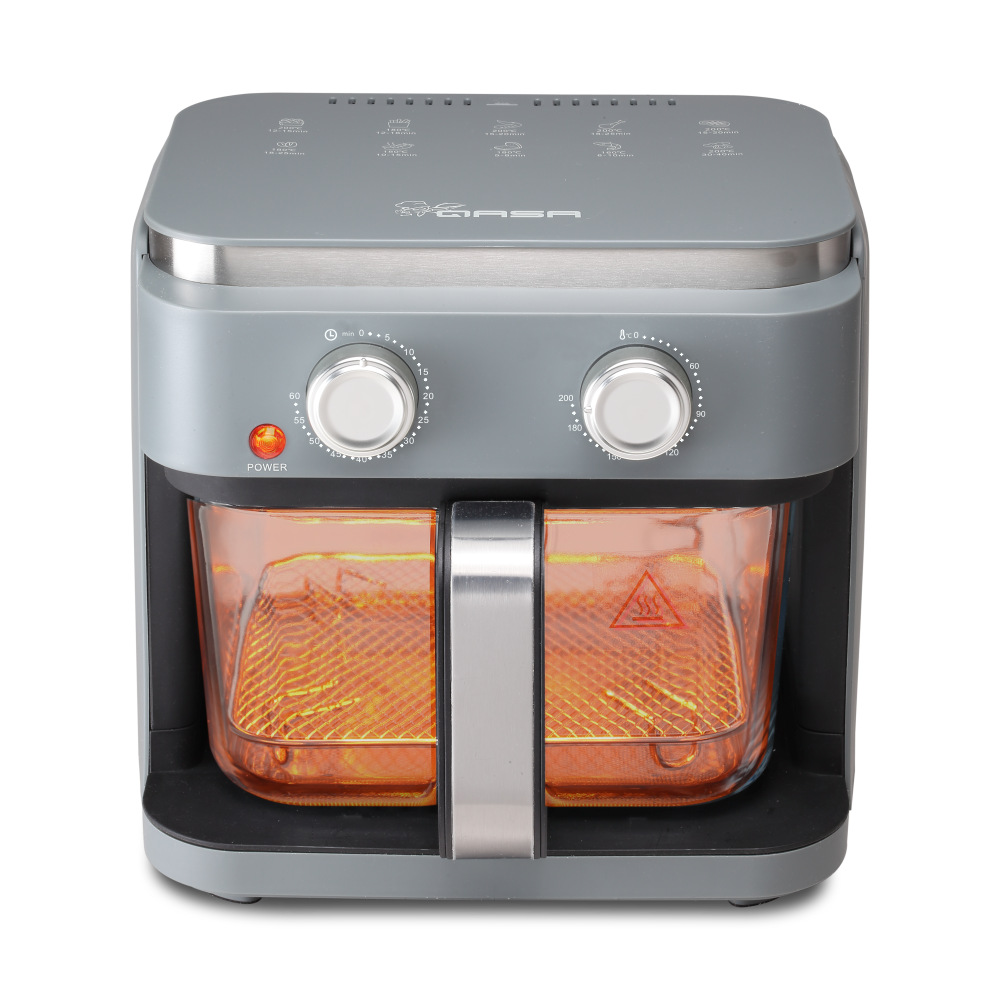
Qasa Air Fryer QFY-660 (6L)
Original price was: ₦75,000.00.₦60,000.00Current price is: ₦60,000.00. -
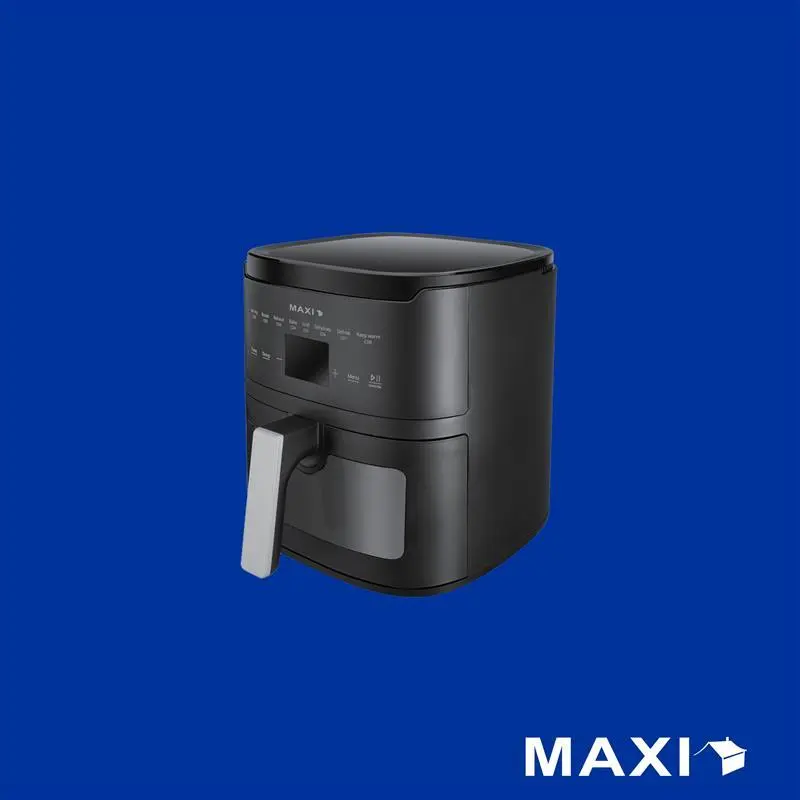
Maxi Air Fryer 5L Black (50CCY)
Original price was: ₦68,000.00.₦55,000.00Current price is: ₦55,000.00. -
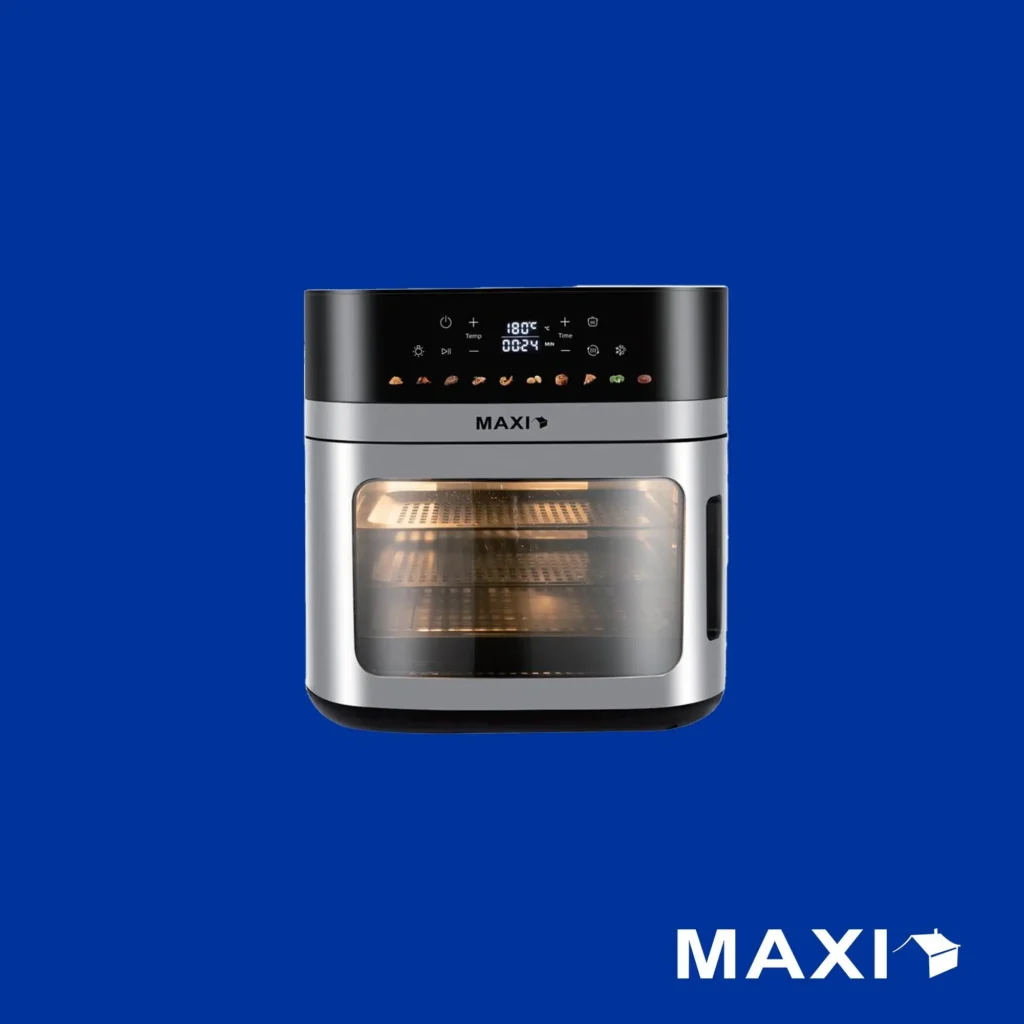
Maxi Air Fryer 120H2CY
Original price was: ₦105,000.00.₦90,000.00Current price is: ₦90,000.00. -
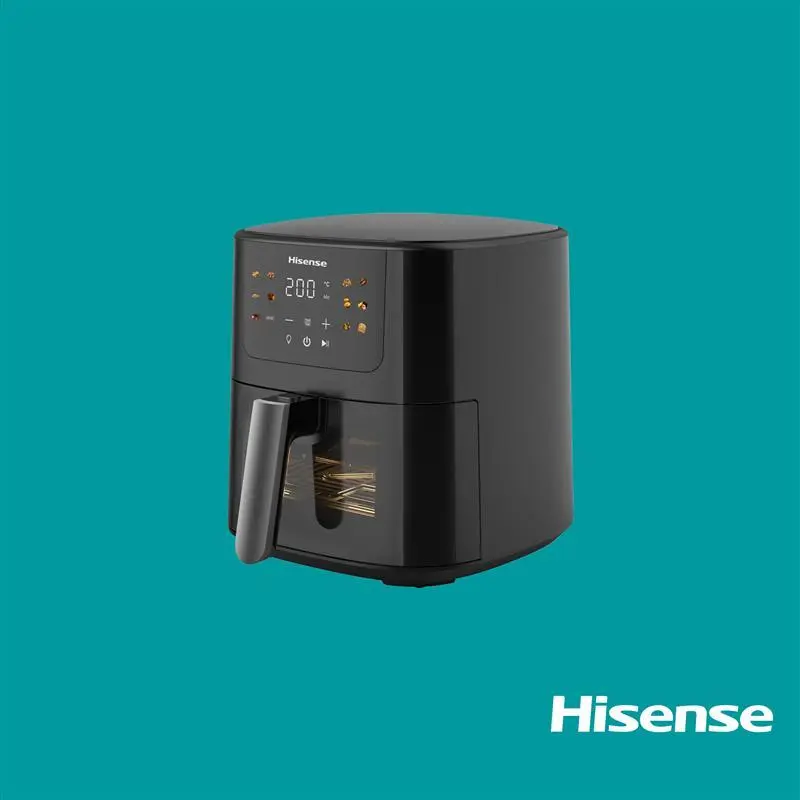
Hisense Air Fryer 5L 1500W (H05AFBK1S3)
Original price was: ₦75,000.00.₦65,000.00Current price is: ₦65,000.00. -
Hisense Air Fryer 6.3L 1700W (H06AFBS1S3)
Original price was: ₦85,000.00.₦77,000.00Current price is: ₦77,000.00.