






How to Peel Beans with a Blender (Fast & Easy Method)

Why This Method Works
How to Peel Beans Easily with a Blender (No Stress Method)
Peeling beans the traditional way can take hours of soaking and hand-rubbing. With a blender, the same task can be done in under 10 minutes, with less stress and better results.
This method works perfectly for moi-moi, akara, and gbegiri, and it is commonly used in Nigerian homes, food businesses, and catering kitchens.
Step 1: Soak the Beans Properly
Start with dry beans (oloyin or black-eyed beans).
Put the beans in a bowl and cover fully with water.
For oloyin (brown beans): soak for 5–10 minutes
For black-eyed beans: soak for 30–60 minutes
Warm water helps the skin loosen faster, especially for older beans.
The goal here is not to soften the beans completely, but to loosen the skin so it can separate easily.
Step 2: Pulse in the Blender (Very Important)
Drain the soaking water and add fresh water.
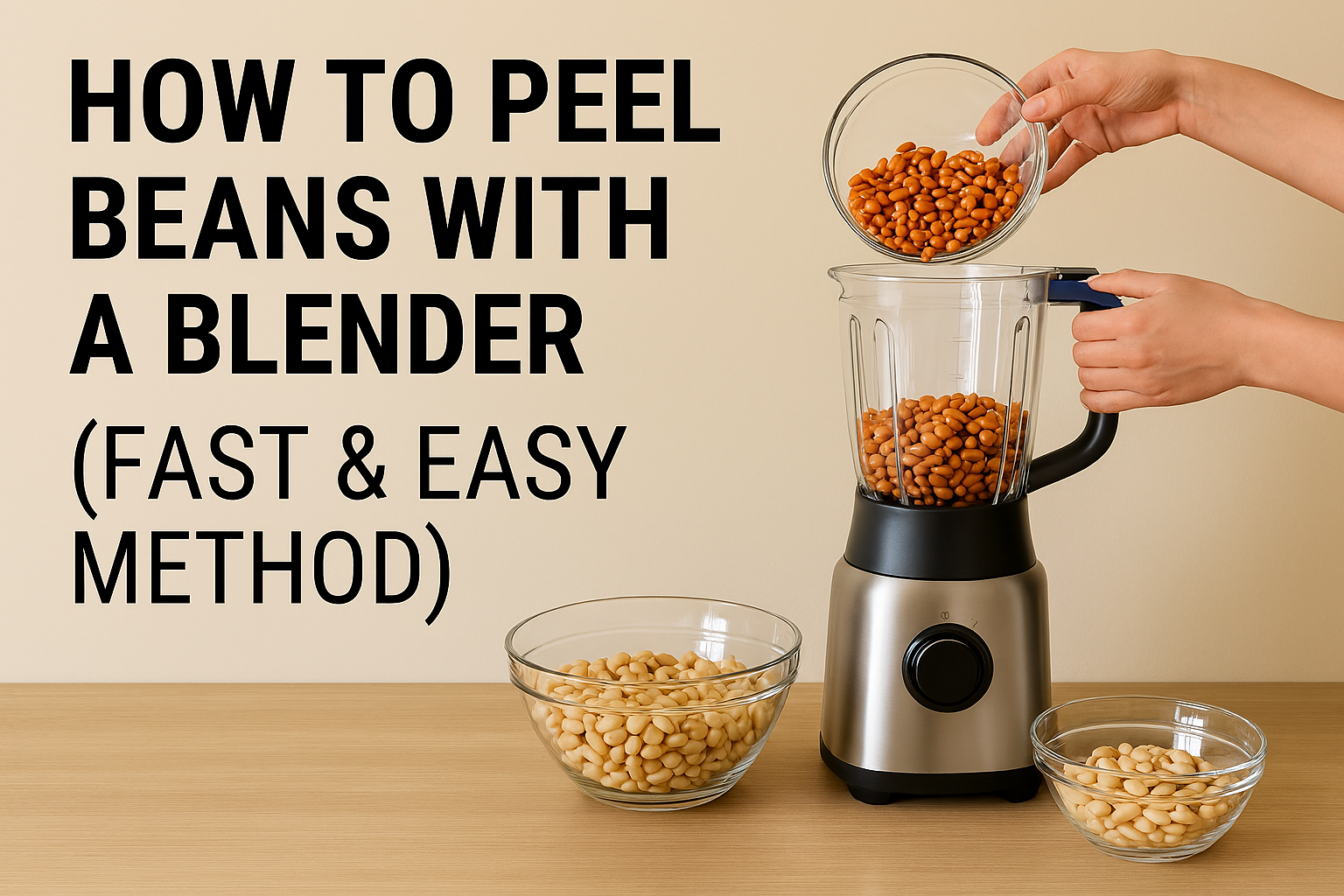
Pour the beans into the blender, only halfway full. Overloading can damage the blender and affect results.
Use one of these methods:
- Pulse for about 1 second, stop, repeat 4–6 times
- Or blend on low to medium speed for 8–10 seconds
The aim is to separate the skin, not grind the beans.
You should still see whole beans, not paste.
Step 3: Rinse and Separate the Skins
Pour the beans into a wide bowl.
Add water, stir gently, and allow the skins to float.
Carefully pour out the water with the floating skins.
Repeat this rinsing process 2–3 times until the beans are clean.
What remains are smooth, peeled beans, ready for grinding.
Final Result: What You Can Prepare
Your peeled beans can now be blended into smooth paste for:
- Moi-moi
- Akara
- Gbegiri soup
The texture is clean, smooth, and ideal for Nigerian recipes.
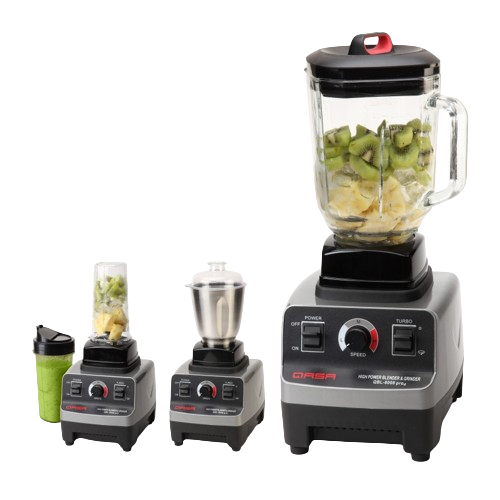
Blender Type That Works Best
Not every blender handles beans well.
For best results:
- Use a 600W and above countertop blender
- Strong stainless steel blades perform better
- Multi-speed or pulse function is an advantage
Personal (small cup) blenders are not ideal for peeling beans due to limited capacity.
Practical Tips for Best Results
Do not over-blend — it breaks the beans
Always work in small batches
Older beans need longer soaking
Rinse with plenty of water for cleaner separation
A good blender makes this process faster, cleaner, and more consistent.
Why This Matters for Nigerian Kitchens
This method:
- Saves time and effort
- Reduces hand stress
- Improves food consistency
- Makes cooking more enjoyable
For homes, food vendors, and small restaurants, a reliable blender becomes a daily kitchen tool, not a luxury.
Need a Blender That Can Handle Beans?
At Dispasal, we stock durable blenders built for Nigerian cooking needs — from beans and pepper to soups and smoothies.
✔ Strong motors
✔ Trusted brands
✔ Options for every budget
✔ Suitable for home and commercial use
🌐 dispasal.com
📞 WhatsApp / Call: 09164425471
📍 Berger Junction, Suleja
Blenders